Hey there, if you’ve ever peeled a sticker off a water bottle, a shipping box, or even a medication bottle, chances are you’ve held a self-adhesive label—they’re everywhere, right? As someone who runs a self-adhesive labels supply business, I get asked all the time, “Wait, how many actual types are there? I just thought they were… stickers.” Spoiler: there’s way more to them than meets the eye, and picking the right one can make or break a project—whether you’re a small biz owner launching a homemade jam line, a shipping manager trying to cut costs, or someone planning an event with custom swag. Let’s break this down like we chat over coffee, no boring jargon, just real talk about what’s out there and why it matters. Self-Adhesive Labels
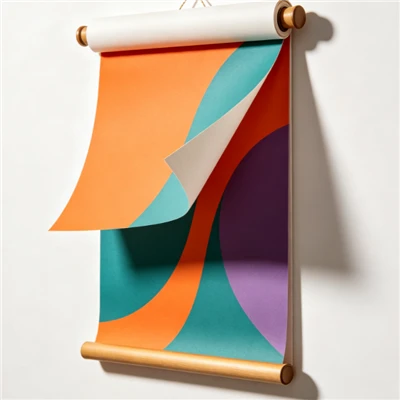
First off, let’s keep it simple: self-adhesive labels (aka pressure-sensitive labels, if you want to get techy) work because they have three core parts—face stock (the actual sticker part you write/print on), adhesive (the sticky stuff that makes it stick), and liner (the paper/plastic backing you peel off). The type is almost always defined by the face stock and adhesive, since those are the two bits that change depending on what you need. Let’s start with face stocks because that’s the first thing most people notice.
You’ve probably encountered paper labels more than any other type, right? They’re the classic, affordable ones—think the generic address labels from the office supply store, or the price tags on cereal boxes. But paper isn’t just plain old white cardstock. There’s matte paper, which is super popular for product labels because it doesn’t glare under shelf lights—perfect for things like candles, skincare, or gourmet snacks that want to look fancy without feeling too glossy. Then there’s semi-gloss paper, which has a tiny bit of shine, makes colors pop more, and is still pretty budget-friendly—great if you’re printing brand logos or colorful product designs without breaking the bank. The only downside with paper? It’s not great for wet or harsh conditions. If you slap a paper label on a wine bottle that goes in the ice bucket for an hour, it’ll get soggy, crinkle, and fall off. That’s where the plastic face stocks come in.
Plastic (or film) labels are the workhorses for tough jobs, and there are a bunch of different plastics with their own vibes. Let’s start with polypropylene (PP)—it’s flexible, water-resistant, and way cheaper than some other plastics. I use PP for a lot of our outdoor gear brands because it can handle rain, dirt, and even being scrubbed a little without peeling. It’s also super lightweight, so it doesn’t add extra weight to shipping boxes, which is a win for logistics teams trying to cut delivery costs. Next up is polyethylene (PE), which is softer and stretchier than PP—perfect for curved surfaces, like plastic soda bottles, shampoo containers, or even round kitchen canisters. Because it stretches, it conforms to those bumpy, round sides without bubbling or peeling, which paper never does. That’s why you’ll almost always see PE labels on liquid bottles these days.
Then there’s PET (polyethylene terephthalate), which is the fancy, durable plastic you’ll see used for things like medicine bottles, cleaning supplies, or outdoor event banners. It’s way sturdier than PP or PE, resists chemicals, oils, and extreme temperatures (hot or cold), and has a clear or white finish that looks super sleek. If you’ve ever bought a prescription bottle with a crisp, clear label that doesn’t smudge even after sitting in your hot car for weeks? That’s PET. Oh, and don’t forget vinyl—wait, is vinyl plastic? Yep, and it’s the go-to for outdoor, long-lasting stuff, like car decals, store window graphics, or equipment labels that get hit with sun, snow, and wind for years. Vinyl is thick, tear-proof, and has that matte or glossy finish that doesn’t fade for 5+ years, which is way longer than any paper label. The only catch with vinyl? It’s a bit more expensive than paper or PP, so you only use it when you need that heavy-duty durability.
Okay, face stocks are half the story, but the adhesive is what makes the label do its job—no use having a fancy PET face stock if the glue falls off after a week. Adhesives are sorted by their “tack” (stickiness) and how permanent or removable they are, and picking the wrong adhesive is a fast way to end up with a messy problem. Let’s break down the main adhesive types. First, permanent adhesive—this is the stuff that stays on until you actively peel it off, and it bonds really well to most surfaces, from glass to metal to plastic. That’s what we use for medicine bottles, cleaning product labels, or wine bottles—you don’t want that label falling off mid-shipping, or worse, off your medicine bottle in the pharmacy. The only downside? Removing a permanent label can leave sticky residue all over your bottle, which is a pain if you’re reusing a jar for homemade jam or something.
That’s where removable adhesive comes in. This is a game-changer for a lot of small biz owners and event planners. Removable glue sticks strong enough for shipping, applying, and not falling off during regular use, but when you peel it off, it doesn’t leave residue. I had a customer last year who sells custom ceramic mugs for weddings—she used removable labels for the price tags so when the couple took the tags off, the mugs were perfect, no sticky marks. Removable adhesives are also great for seasonal stuff, like holiday gift tags that you want to peel off from a wine bottle after Christmas, or temporary event signs that you don’t want to leave a mess on walls.
Then there’s specialty adhesives for weird surfaces or extreme conditions, which is what I deal with a lot as a supplier because not everyone has a standard project. For example, low-temperature adhesive—this is for stuff that goes into freezers, like ice cream tub labels, frozen meal packaging, or even labels on soda cans that get stored in cold coolers. Regular adhesive gets brittle in the cold, so it cracks and falls off. Low-temp adhesive stays flexible even in freezing temps, so it sticks tight. On the flip side, high-temperature adhesive is for things like hot sauce bottles (they get stored in pantries, but also shipped in hot trucks in the summer) or labels on baking sheets, or even car engine parts that get warm. These adhesives don’t melt or get runny when it’s hot, so the label stays intact. And don’t forget adhesives for weird, hard-to-stick surfaces—like oily or dusty boxes, or textured plastic. We have a super aggressive adhesive for that, great for shipping heavy equipment or goods that get handled a lot, since they don’t want labels falling off mid-transit.
Wait, I should also mention some niche label types that I get asked about all the time, because they’re not just for packaging. There are clear labels, right? They use a clear face stock, so they look like part of the product, not a sticker. I used clear labels for a small skincare brand last year—their glass serum bottles had a frosted look, so the clear label made it look like the text was printed right on the glass, way classier than a white paper label. They’re perfect for minimalistic brands, or when you don’t want the label to be a focal point, just a source of info. Then there’s thermal labels—oh, those are huge for shipping and logistics. Thermal labels (both direct thermal and thermal transfer) work with printers that use heat to create text, so you don’t need ink or toner. Direct thermal labels fade over time, so they’re good for short-term use, like same-day shipping labels, while thermal transfer labels are more durable, used for things like warehouse inventory tags or shipping labels that need to last for years. We supply both, and help people pick which one they need depending on how long their labels have to hold up.
Oh, and shrink sleeve labels—those are the ones that wrap all the way around a bottle or can, and shrink tight when you heat them, so they conform to every curve, indent, and shape of the product. I worked with a craft beer brand last quarter that used shrink sleeves for their limited-edition brews—they could do custom designs that wrapped all the way around the can, even over the top and bottom, which is impossible with regular flat labels. Shrink sleeves are also great for adding tamper-evident features, which is huge for food and beverage brands to show their product hasn’t been opened.
Let me throw in a real example to make this stuff make sense. Last month, a customer came to me panicking—she had a line of homemade pickles that she was selling at farmers markets, and her old paper labels were getting soggy and falling off by the end of the day. She thought she had to order expensive custom glass etching, but we talked through options. First, she needed something water-resistant, so we suggested PE face stock (it’s stretchy and waterproof, so it works well on curved pickle jars). She didn’t want to spend a ton, so we went with a permanent adhesive that’s designed for glass, so the labels stay on when customers wash the jars (which a lot of people do to reuse them). We also added a matte finish so her hand-drawn pickle design didn’t glare under the market lights. She ended up cutting her cost by 30% compared to the glass etching, and her customers have commented that the labels look way nicer and don’t fall off. That’s the kind of stuff I love doing—helping people pick the right type instead of just selling them any label.
Now, I know a lot of you are probably wondering, “Wait, how do I know which type is right for me?” If you’re still confused, that’s totally normal—most people don’t think about this stuff until they’re staring at a shelf of labels trying to pick one. The quick checklist I give every customer is: 1. Where will the label go? (Curved jar? Flat shipping box? Cold freezer? Hot truck?) 2. How long does the label need to last? (1 day for a same-day shipping label? 5 years for a outdoor sign? 1 hour at a farmers market?) 3. Do I need it to come off clean? (No residue for gift tags? Or permanent for medicine bottles?) Answering those three questions will narrow it down way more than staring at endless product lists.
As someone who’s been in the self-adhesive labels game for years, I can tell you that the biggest mistake people make is just grabbing the cheapest label they can find. That $0.01 paper label might seem like a steal, but if it falls off after your product gets shipped in the rain, you’re stuck reprinting all your labels, losing money, and probably annoying your customers. Investing a tiny bit more in the right label type saves you time, stress, and money in the long run.
If you’re working on a project right now—whether it’s a small side hustle, a big brand rebrand, or just need some labels for your home business—don’t overcomplicate it. Shoot me a message to chat through what you need. I don’t push you to buy the most expensive stuff, I just help you pick the labels that work for your exact needs, no fine print, no hidden fees.
Brochure and Booklet References:
- Self-Adhesive Label Technologies: A Guide to Materials and Adhesives, Label Industry Global News, 2022
- Pressure-Sensitive Label Materials Selection, Packaging Association of North America, 2021
- Specialty Label Applications for Consumer Products, Small Business Packaging Review, 2023
Jiangyin Kingma Printing Co., Ltd.
As one of the most professional self-adhesive labels manufacturers and suppliers in China, we also support customized service. Please feel free to wholesale bulk high quality self-adhesive labels in stock here from our factory. Welcome to contact us for quotation.
Address: 803 Binjiang West Road, Jiangyin City, Jiangsu Province
E-mail: 275695527@qq.com
WebSite: https://www.kingmaprinting.com/
