If you’ve ever reached for a handful of dried shiitake in a stir-fry, tossed rehydrated porcini into a risotto, or sprinkled dried morels over a creamy soup, you’re far from alone. For decades, dried edible fungi have been a staple in cuisines across the globe, prized for their intense umami flavor, long shelf life, and convenience—no refrigeration needed, no risk of bruising or spoilage like their fresh counterparts. As a supplier who’s been working directly with foragers, processors, and home cooks for over 12 years, I get it: when it comes to adding depth to a meal, dried fungi are hard to beat. But over the years, I’ve fielded the same question dozens of times from regular customers and new buyers alike: Are there any side effects to eating dried edible fungi? Dried Edible Fungi
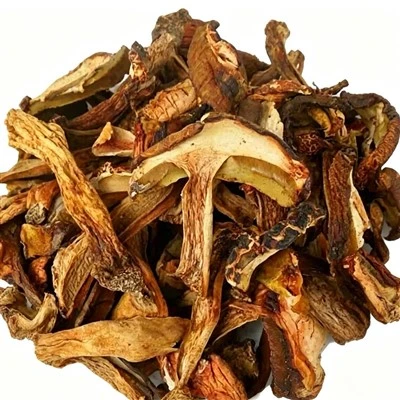
It’s a valid question. In an era where food transparency is non-negotiable, many of us want to know exactly what we’re putting on our plates. The good news is that for most people, dried edible fungi are a safe, nutrient-dense food that fits easily into a balanced diet. That said, there are a few considerations—some rooted in how fungi are processed, stored, or prepared, and others tied to individual health sensitivities. Let’s break this down clearly, no jargon, no fear-mongering, just the facts I share with every client who walks through our warehouse or sends an email asking for more details.
First, let’s set the baseline: Dried edible fungi are made by removing almost all moisture from fresh mushrooms, usually via low-temperature air drying, sun drying, or (less commonly for premium products) dehydrator drying. This process not only preserves the fungi for months, but it also concentrates nutrients: proteins, fiber, B vitamins like riboflavin and niacin, and minerals such as selenium, copper, and potassium. For people who struggle to find fresh, wild-harvested fungi in their local stores, dried versions are often the most accessible way to get these benefits.
That’s not to say there are no potential downsides. The first, and most common, has to do with sodium. Wait—sodium? You might be surprised, but many commercial dried edible fungi products, especially those pre-packaged for mass retail, have added salt. It’s a cheap way to enhance flavor, extend shelf life, and make the fungi feel more “savory” on the shelf. But if you’re someone watching your sodium intake for high blood pressure, kidney issues, or general heart health, this is a critical point. At our company, we never add salt to our dried fungi; the only thing that goes into our packages is the mushroom itself. But I’ve seen far too many customers come back to me saying they experienced bloating or increased thirst after buying a big name brand’s dried shiitake, only to check the label and see 300mg of sodium per serving. That’s a side effect that’s easily avoidable by reading labels, and it’s why we make it a point to highlight our salt-free processing on every product page and sample we send out.
Another consideration is heavy metal contamination. Fungi are natural accumulators of minerals from the soil they grow in—good things like selenium, but also heavy metals like lead, cadmium, and mercury, especially wild-harvested varieties. Now, this doesn’t mean all dried fungi are contaminated. Strict quality control processes can mitigate this, and reputable suppliers test every batch of their products before they hit the market. But I’ve heard horror stories from a few small-scale buyers who tried to source wild dried fungi from unregulated foragers abroad, only to have their lab tests show cadmium levels above the WHO’s safe limit. For individuals with compromised kidney function, heavy metal buildup can be a real concern over time. That’s why at our business, we partner with certified foragers who harvest from remote, unpolluted regions, and we send every batch to an independent lab for heavy metal testing. Our customers don’t have to worry about this, because it’s non-negotiable for us.
Then there’s something called purine content, a point I often bring up with clients who have gout. Purines are compounds that break down into uric acid in the body, and high uric acid levels trigger gout attacks in many people. Fresh mushrooms have moderate purine levels, but when you dry them, those purines become concentrated. I’ve had a few repeat customers with mild gout tell me that eating a large portion of dried porcini or morels left them with joint pain a day later, while others have no issue at all. It’s a personal sensitivity, and it’s not a universal side effect—but it’s something anyone with gout should discuss with their doctor before making dried fungi a regular part of their diet.
Wait, what about the process of rehydrating? I’ve seen people make mistakes here that lead to unintended issues. Some people try to rehydrate dried fungi in warm or hot water for hours on end, but others don’t drain the water thoroughly after rehydrating. That leftover soaking water isn’t just for flavor—if it’s not properly strained, it can contain residual debris or, in rare cases, contaminants from the drying or foraging process. I always advise customers to soak dried fungi in cold or lukewarm water for 20 to 30 minutes (hot water can make them tough, by the way), then remove them and strain the soaking water through a cheesecloth or coffee filter to remove any sediment. That’s a simple step that eliminates a lot of small, avoidable issues.
I also want to address a myth that I still hear from some home cooks: that dried fungi are hard to digest. For most people, that’s not true. The fiber in mushrooms is actually soluble fiber, which is easy on the digestive system. But in some cases, if you eat large amounts of dried fungi without rehydrating them properly, the dry, fibrous texture can cause mild constipation. Again, that’s easily fixed by always soaking your dried fungi before cooking, not just tossing them directly into a dish. I’ve seen new customers try that once, panic, and write to me saying “dried fungi made me uncomfortable”—turns out, they skipped the rehydration step, and that’s all it was.
Now, I don’t want to leave you with the impression that dried edible fungi are a risk. For the vast majority of people, they’re a healthy, delicious addition to meals. But as a supplier who’s built my business on trust, I think it’s important to be transparent about the potential side effects, because knowledge is power. I’d rather a customer know that reading labels and rehydrating correctly will prevent those issues, than have them avoid a great product out of fear.
Let me tell you a quick story that illustrates this. A few years back, I got an email from a young chef at a farm-to-table restaurant in Portland. She’d been buying a bulk bag of dried oyster mushrooms from a cheap supplier, and she was having issues with her line cooks complaining that the mushrooms were giving them headaches after service. She sent a sample to me, and when we tested it, we found it had 400mg of sodium per serving, plus a faint, off flavor from being dried too quickly at a high temperature. We sent her a free sample of our salt-free, slow-dried oyster mushrooms, and a note explaining what we’d found. A month later, she wrote back saying her line cooks were relieved, and she’d switched all her mushroom orders to us. That’s the kind of relationship I value—talking openly about what works, what doesn’t, and how to make the most of dried fungi without any side effects.
So, if you’re a home cook stocking your pantry, a line manager sourcing for a restaurant, or someone just looking to add more umami to your meals, here’s the bottom line: choose a reputable supplier that does third-party testing, sticks to salt-free processing, and uses slow, gentle drying to preserve both flavor and nutrition. Rehydrate your mushrooms properly, strain that soaking water, and if you have pre-existing health conditions like gout, high blood pressure, or kidney issues, check with your doctor before making dried fungi a regular staple.
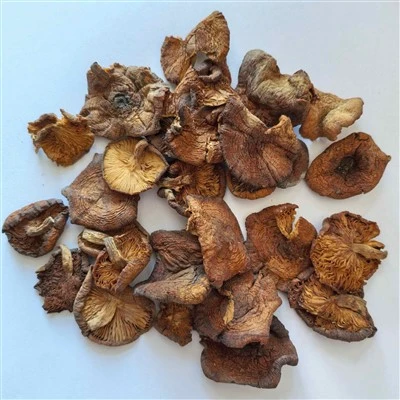
At the end of the day, dried edible fungi are a incredible, sustainable food that’s been used for thousands of years. They don’t have to be scary, and they don’t have to cause side effects if you make smart choices. If you’re interested in learning more about our products, want to request samples, or discuss how dried fungi can fit into your menu or pantry, feel free to reach out to our team to connect about wholesale and retail procurement.
Dried Premium Wild Mushrooms References
- Food and Agriculture Organization of the United Nations (FAO). Drying as a method for food preservation: Benefits, challenges, and quality considerations. 2021.
- World Health Organization (WHO). Heavy metal guidelines for mushrooms and fungal products. 2019.
- American Heart Association. Sodium intake recommendations and food label reading for heart health. 2022.
- National Institute of Arthritis and Musculoskeletal and Skin Diseases (NIAMS). Gout and dietary purine intake. 2023.
- Journal of Food Science and Technology. Nutritional composition and safety aspects of dried edible mushrooms. 2020.
Qingyuan Manchu Autonomous County Lichang Native Produce Co., Ltd.
We are one of the most professional dried edible fungi manufacturers and suppliers in China, featured by quality products and good price. Please rest assured to wholesale bulk dried edible fungi for sale here from our factory. Welcome to view our website for more information.
Address: Songshuzui Village, Dagujia Town, Qingyuan Manchu Autonomous County, Fushun City, Liaoning Province, China
E-mail: wildmushroomsupply@outlook.com
WebSite: https://www.wildmushroomsupply.com/
