Hey everyone, let’s cut to the chase – if you’ve ever been around anything that moves with chains (think bikes, conveyor belts, even construction equipment), you’ve definitely seen a drive sprocket before, even if you didn’t know its name. I’m [your company name here], a sprocket supplier, and I get asked this question all the time from folks just starting out in manufacturing, small workshop owners, or even DIYers building their own rigs. Let’s break this down without the boring jargon, yeah? Sprocket
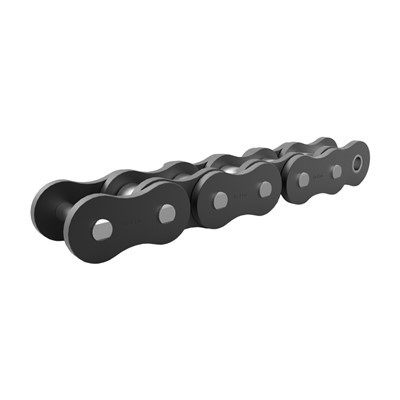
First, what even is a drive sprocket? Let’s start simple. It’s a toothed wheel that works with a chain, right? Unlike a regular gear that meshes with another gear, this one locks into the links of a chain – that’s the key difference. When it spins, those teeth grab the chain links, so the chain doesn’t slip or skip around it. That’s the whole point, honestly. You can’t have a chain drive system without this part. Whether you’re on a mountain bike, a food processing line moving packaged snacks, or an excavator digging a foundation, the drive sprocket is the muscle that makes the chain do its job.
Wait, let’s distinguish it from other sprockets out there, because that’s where people mix things up. There’s driven sprockets, too. Driven ones are the ones that get turned by the chain – like the back wheel sprocket on a bike that the chain pulls to make the wheel spin. The drive sprocket is the one connected directly to a power source, like a bike’s pedal crank or a motor in a conveyor. So it’s the one that’s pushing the chain, not the one being pulled by it. That’s a quick way to tell them apart.
Now, let’s talk about how it actually works, because it’s not just a wheel with teeth – there’s a method to the madness. The teeth are shaped to fit exactly into the gaps between the chain’s links. Chain links come in all sorts of sizes, right? So a drive sprocket for a motorcycle chain has tiny, sharp teeth, and one for a farm tractor’s huge roller chain has big, beefy teeth that can handle thousands of pounds of force. When the power source (motor, pedals, engine) turns the drive sprocket, those teeth pull each chain link smoothly into their grip, so the chain moves evenly. No slipping, no jumping, no weird grinding noises – that’s when the sprocket is sized and made right.
Material matters a lot here, too, and that’s where a good supplier like me comes in. You don’t want a flimsy plastic sprocket on a heavy conveyor, for example. Most drive sprockets are made from steel – either carbon steel for regular use, or alloy steel for extra tough jobs that take a beating, like construction equipment. Some smaller ones, like for bikes or light machinery, might be cast iron, but steel is the go-to because it’s strong, wears well, and can handle torque without bending. We also offer coated ones, like zinc-plated, to prevent rust if your system’s outdoors or in a damp environment – that’s a small detail that saves people a ton of time and money on replacements later.
What about the size? Oh man, that’s non-negotiable. If your drive sprocket is the wrong number of teeth, everything goes sideways. Let’s take bikes as an example: a single-speed bike might have a 16-tooth drive sprocket on the crank, and a 18-tooth driven sprocket on the rear wheel. That gearing makes the wheel spin a little slower but with more force, which is great for hills. If you swap that for a 20-tooth drive sprocket, suddenly your bike feels way faster on flat ground but you lose torque for hills. For industrial stuff, it’s even more precise – the pitch of the sprocket (the distance between the teeth) has to match exactly the pitch of the chain. If it’s even a millimeter off, the chain will skip, wear out way faster, or even break mid-operation. That’s why we don’t just sell generic sprockets – we work with clients to get the exact tooth count, pitch, material, and bore size (the hole in the middle that fits onto the shaft) they need.
Wait, let’s talk about common uses to make this relatable. I mentioned bikes already, but there’s way more. Conveyor systems in factories – imagine a soda can line: the cans sit on a chain that moves them along the line, and the drive sprocket at the end of the conveyor pulls that chain, so the cans don’t slip sideways. Forklifts? Their lift chains use drive sprockets to hoist heavy pallets up and down. Even lawn mowers have a small drive sprocket that turns the blade’s drive shaft. And then there’s the big stuff: heavy mining equipment, agricultural harvesters, even escalators – yep, escalators have drive sprockets at the top that pull the step chains, making the whole thing move. Without a good drive sprocket, none of these would work reliably.
What are common issues people run into? A lot of the time, it’s wear. Over time, the teeth of the sprocket wear down from rubbing against the chain, or the chain itself stretches, which causes mismatched pitch. That leads to skipping, noise, or even chain breakage. Another mistake we see is using the wrong type of sprocket for the job. Someone might use a light-duty sprocket on a heavy conveyor, and it’ll bend or break in no time. That’s why it’s important to know your system’s specs before you buy. And honestly, a lot of folks don’t – they just grab whatever’s cheap online, and end up replacing it way more often than they should. As a supplier, we test every sprocket we send out to make sure it can handle the torque, load, and environment it’s going into, so that hassle is gone.
Wait, let’s clear up a myth I hear all the time: “Is a drive sprocket the same as a gear?” No, absolutely not. Gears mesh with each other, no chain involved. They work in enclosed systems, like a car’s transmission, where gears spin against each other to change speed. Sprockets are for chains – they have that toothed design that wraps around the chain, so there’s no direct metal-on-metal contact between two gears. That’s a huge difference, and mixing them up is a quick way to break your whole system.
Another thing: sprocket bores. The hole in the middle of the drive sprocket has to fit tightly onto the shaft that connects to the power source. Some are plain bores, some have keyways (a small groove) to keep the sprocket from spinning on the shaft when torque is applied, and others are even tapered for easier installation. We custom machine bores to match whatever shaft size you have, no matter how standard or unusual. That’s a service a lot of suppliers skip, but it’s super important for a tight, reliable fit.
So why does this matter to you, whether you’re a mechanic, a factory manager, or someone building a new piece of equipment? Because the drive sprocket is the unsung hero of chain drive systems. It doesn’t get the attention a motor or a fancy chain does, but if it fails, your whole operation stops. A food processing line going down during a shift costs thousands in lost product and downtime. A bike chain skipping mid-ride could be dangerous. A conveyor in a warehouse breaking means no shipments get out. That’s why investing in a quality drive sprocket, instead of a cheap knockoff, saves you money long-term.
I know, I know, you could just look this up on Google, but a lot of the stuff online is either too vague or way too technical for someone who just needs a solid part that works. As a sprocket supplier, I’ve been helping folks with this stuff for years – I’ve worked with small bike shops, big manufacturing plants, even guys building custom go-karts in their garages. We don’t just sell parts; we help you pick the right one. Whether you need a 10-tooth tiny sprocket for a small automation system or a 50-tooth heavy-duty one for a mining conveyor, we’ve got you covered.

If you’re in the market for a drive sprocket, or you’re not even sure what size or type you need, reach out. Tell me what system you’re working on, what load it has to handle, what kind of chain you’re using, and I can help you get exactly the right part – no guesswork, no overpaying, and we stand behind every sprocket we ship. Don’t risk downtime from a bad sprocket; let’s find the right one for your needs.
Conveyor Sprocket References
- Machine Design: “Chain Drives Basics for Power Transmission Applications”
- American Chain Association: “Sprocket Design and Application Standards”
- Modern Materials Handling: “Choosing Conveyor Sprockets for Industrial Applications”
Zhejiang Hangte Chain Transmission Co., Ltd.
We are one of the most experienced sprocket manufacturers and suppliers in China since 1999. Please rest assured to buy high quality sprocket made in China here from our factory. If you have any enquiry about cooperation, please feel free to email us.
Address: No.195 Qinglin East Street, Qingshan Lake Subdistrict, Lin’an District, Hangzhou City, Zhejiang Province
E-mail: hangtechain@gmail.com
WebSite: https://www.chinahtchain.com/
