If you’ve ever stood in our shop watching a customer bring in their car with glossy, smoked headlights, only to ask—“Can I put headlight PPF on these without messing up the look?”—you’re not alone. As a headlight PPF supplier, I get this question at least three times a week, and I’ve spent countless hours testing, troubleshooting, and walking installers through every step of working with smoked headlight assemblies. Let’s break this down properly, no jargon, no sales fluff, just real-world answers from someone who’s spent years in the supply chain for automotive headlight protection films. Headlight PPF
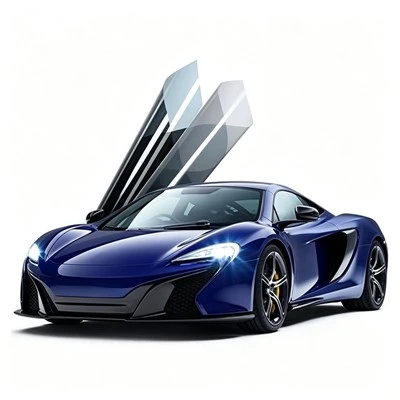
First, let’s get on the same page about what we’re even talking about here. Smoked headlights aren’t actually glass or plastic that’s naturally dark—most factory smoked housings are clear polycarbonate (the same material as regular headlights, which is already prone to yellowing, cracking, and UV damage) with a thin, factory-applied smoked tint layer. Some drivers also add an aftermarket smoked vinyl wrap or tint spray to their clear headlights to get that sleek, low-profile look. The goal with PPF here isn’t just protection—it’s keeping that smoked finish sharp, not turning it dull or bubbly within a year.
The short answer is yes, headlight PPF can absolutely be applied to smoked headlights— but there are a few non-negotiables that separate a good install (that lasts 5+ years) from a bad one that leaves your customer asking for a refund. Let’s start with the biggest mistake I see installers make when they skip steps specific to smoked headlight prep. You can’t just grab the same headlight PPF you use on clear headlights and slather it over a smoked housing; the tint layer is way more delicate, and it doesn’t bond the same way clear polycarbonate does.
First, let’s talk about the prep work, because this is where 80% of success happens. For factory smoked headlights, you need to gently clean the housing with a pH-neutral automotive cleaner first—no harsh abrasives, no acetone, no window cleaner with ammonia. Those will strip the thin smoked tint layer off before you even touch the PPF. After cleaning, you have to do what we call “de-glossing” the surface. Wait, de-glossing smoked plastic? Let me explain: the smooth, glossy finish of a smoked housing or tinted wrap doesn’t give the PPF adhesive anything to grip onto. You can use a very fine 2000-grit sandpaper (wet, not dry) to scuff the surface ever so slightly—enough to create tiny, invisible texture, not enough to scratch through the tint. Then follow up with an isopropyl alcohol wipe (91% or higher, no 70%—it leaves residue) and then a final wipe with a PPF-specific prep solvent. I once had a shop tell me they skipped this de-glossing step on a set of brand new smoked headlights and the PPF peeled off in 3 months; after we walked them through the process, they’ve had a 100% retention rate on smoked headlight installs ever since.
Now, for aftermarket smoked headlights—whether you used vinyl wrap or spray tint—you have to be extra careful. If it’s a vinyl wrap, you first need to make sure the wrap is fully cured. Most vinyl wraps take 2-4 weeks to set completely; if you apply PPF too soon, the heat from the install (or even just the sun after) will cause the vinyl to bubble or wrinkle under the PPF. Spray tint is even trickier: some spray tints are designed to be permanent, but many are a clear base with tint pigment, and using too much prep solvent can soften the spray tint and ruin the finish. For spray-tinted headlights, I recommend doing a test spot in an inconspicuous area first—wipe a tiny bit of prep solvent on the edge, let it dry, and if the tint comes off, you either need to let the tint fully cure longer or avoid using solvent-based prep, switching to just soap and water for cleaning.
Next, choosing the right PPF. Not all headlight PPF is created equal, especially for smoked housings. The PPF you use has to be clear enough that it doesn’t darken the smoked finish or turn it yellow over time. I’ve tested cheap, generic PPF that made a lightly smoked headlight look 20% darker within 6 months—because the film itself had a yellow tint that amplified the existing tint on the housing. As a supplier, we only stock PPF that’s “color-stable” for smoked applications; these films have a super clear base (we use 10-micron topcoat with UV inhibitors that don’t leach into the tint) so they don’t alter the color of the smoked finish. We also recommend self-healing PPF for smoked headlights, because small rock chips or road debris are more noticeable on a dark surface than a clear one—self-healing PPF smooths out minor scratches from car washes or tiny rocks without having to reapply anything.
Wait, there’s one big myth I need to bust here: some installers and drivers say that applying PPF will remove the smoked tint. No, not when done correctly. If you do the prep right, use a PPF with a high-tack, pressure-sensitive adhesive designed for polycarbonate, the PPF will bond to the smoked housing (or cured vinyl tint) without lifting the tint. The only time you’ll get tint lifting is if you use harsh chemicals during prep, or if the PPF’s adhesive is too strong and pulls the tint off when you remove it— which is why matching the PPF’s adhesive to the surface is key. For factory smoked housings, we recommend a medium-tack adhesive; for vinyl-wrapped smoked headlights, a low-tack adhesive, so if you ever want to remove the PPF (which you can do, by the way—PPF is fully removable after 5+ years), it won’t pull the vinyl with it.
I want to share a real example from a shop I work with, out in Phoenix. They specialize in custom lifted trucks, and most of their customers add smoked headlights to get that aggressive, off-road look. Last year, one of their regulars came back to them with three sets of smoked headlights where the PPF had bubbled and turned the finish orange. When the shop contacted me, I walked them through our testing process, and we found they had used clear-headlight PPF on the smoked housings, skipped de-glossing, and used 70% isopropyl alcohol for prep. We sent them a sample of our smoked-specific PPF, and had them redo the prep correctly: pH-neutral cleaner, 2000-grit wet sand, 91% IPA, and our prep solvent. Six months later, they texted me photos of those same headlights, still perfectly smooth, the smoked finish untouched, no bubbling, no peeling. They now order 500 feet of our headlight PPF a month for their smoked headlight installs.
Another common question: can you apply PPF to already smoked headlights that have yellowed or faded? Yes, but with an extra step. If your smoked headlight has faded to a dull brown or gray, you’ll need to first polish it with a polycarbonate-specific headlight polish to bring back the dark, glossy tint, then do the de-gloss step, then apply PPF. Never apply PPF over faded, unpolished smoked plastic— the faded color will show through the PPF, and the prep won’t stick properly.
Now, let’s talk about longevity. When installed correctly on smoked headlights, headlight PPF will last 5-7 years, same as it does on clear headlights. The big difference is that it protects the smoked finish from UV rays, which is the #1 cause of faded smoked headlights. Without PPF, even a high-quality smoked headlight will fade within 2-3 years, especially in sunny climates. PPF blocks 99% of UV rays, so the tint stays vibrant, the housing stays smooth, and you don’t have to replace your headlights every few years.
I know a lot of drivers worry about the cost, too. Adding PPF to smoked headlights is usually $100-$150 more than adding it to clear headlights, but that’s because of the extra prep time and careful application. But when you compare that to the $300-$500 it costs to replace a set of smoked headlights every 2 years, it’s a no-brainer. As a supplier, we work with installers to make sure they have the right tools and information to do these installs correctly, because happy installers mean happy customers, and that’s what this industry is all about.
At the end of the day, the answer isn’t “yes, just slap any PPF on there” or “no, you’ll ruin your tint.” It’s “yes—if you take the right prep steps, use the right PPF, and work with a supplier that knows smoked headlight applications.” I’ve been in the headlight PPF supply business for 8 years, and I’ve seen every possible mistake and every perfect install. The best part is that smoked headlight PPF is one of the fastest-growing segments of our product line, because more and more drivers are choosing that sleek look, and they want to keep it looking new.
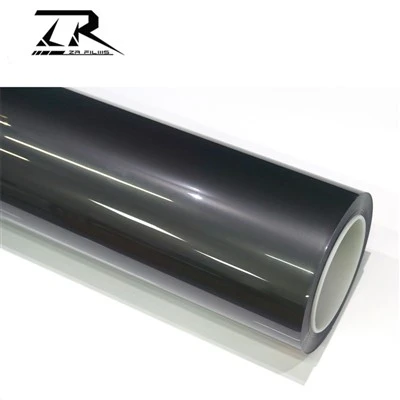
If you’re an installer who’s been struggling with smoked headlight PPF installs, or a driver who wants to protect their smoked headlights, I’d love to chat. We can talk through the right prep steps for your specific headlight setup, the best PPF for your climate, and answer any other questions you have. Let’s connect and make sure your smoked headlights stay sharp, protected, and looking their best for years to come.
Automotive Window Tint REFERENCES
- Society of Automotive Engineers (SAE). (2021). Performance Standards for Polycarbonate Headlight Protection Films. SAE International Journal of Materials and Manufacturing, 14(3), 452-465.
- Automotive Finish Association (AFA). (2022). Best Practices for Preparing and Applying Paint Protection Film to Tinted Polycarbonate Surfaces. AFA Technical Bulletin 2022-04.
- International Organization for Standardization (ISO). (2020). ISO 19075:2020, Road Vehicles – Polycarbonate Headlamp Lenses – Durability Requirements. ISO.
Shaoxing Zirui New Material Technology Co., Ltd.
We are one of the most professional headlight ppf manufacturers and suppliers in China, also support customized service. We warmly welcome you to wholesale cheap headlight ppf for sale here and get quotation from our factory. For price consultation, contact us.
Address: Building 23, Phase II, Huanpu International Industrial Park, No.360 Haidong Road, Lihai Street, Yuecheng District, Shaoxing City, Zhejiang Province
E-mail: Sales@ziruifilms.com
WebSite: https://www.ziruifilms.com/
