Hey there, if you’re reading this, you’re probably staring at an outdoor sofa you spent good money on, only to notice it’s wobbly after a few months, or maybe it’s faded from the sun and you’re wondering how to keep it from falling apart faster than a cheap patio chair. Full disclosure: I’ve been an outdoor sofa supplier for 7 years, and I’ve seen every single mistake people make when trying to keep their patio pieces stable. Most of these issues aren’t because the furniture is garbage—they’re because people skip the small, easy steps that actually make the difference between a sofa that lasts 3 years and one that’s still solid when your kid’s tall enough to climb on it. Let’s cut the corporate jargon and get real about what works, what doesn’t, and what I actually tell my customers before they buy. Outdoor Sofa

First off, let’s talk about the base, because this is the #1 thing people ignore until their sofa rocks like a baby’s cradle. You can have the fancier fabric or the sturdiest frame, but if it’s sitting on a patch of uneven grass or concrete that’s got a dip, it’s gonna be wobbly. Wait, don’t go shoving bricks under the legs—you’ll end up with rusted bricks that stain your patio, and they’ll slide out when someone leans back. Here’s what I recommend (and this is something I include for free with every sofa I ship, by the way): get leveling feet. Not the cheap plastic ones you can grab at the dollar store—get the stainless steel or heavy-duty PVC ones that screw right into the bottom of the legs. They adjust, so you can twist them up or down to fill in a ¼-inch dip in concrete or a soft spot in grass. I learned this the hard way 5 years ago: a customer sent me a pic of their brand new sofa rocking so bad their coffee mug spilled every time someone sat down, and it was just because their patio concrete had a tiny dip. We sent them free leveling feet, and they texted me a week later saying it was like a brand new sofa. Also, if you’re putting it on grass, put a set of patio pads under the feet too—they keep the legs from sinking into soft dirt, especially after rain. I see so many people skip that, and by the end of summer, their sofa is half-sunk in the dirt, making it wobbly.
Next, the frame. This is where stability starts before you even set it up, and it’s way more important than the fabric or cushions. A lot of cheap outdoor sofas use thin aluminum frames that bend after a year, or particle board that falls apart when it gets wet. When I’m supplying sofas, I always tell people to ask about the frame material, and here’s the tea: if it’s a wooden frame, it needs to be pressure-treated or teak. Pine is just gonna rot if it gets even a little moisture, I don’t care what the sales guy says. Teak is great because it’s naturally weather-resistant, but make sure it’s solid teak, not teak veneer that’ll chip and peel in the sun. For metal frames, go for powder-coated aluminum, not steel. Steel rusts like crazy, even if it’s coated, and rust makes the frame weak and wobbly after a couple years. Aluminum is lightweight, doesn’t rust, and is sturdy enough for outdoor use—most of my best-selling sofas use this, and I’ve had customers tell me theirs is still solid after 6 years. Also, check if the frame is bolted together, not glued. Glue never holds when it’s exposed to temperature changes (hot sun makes glue melt, cold makes it brittle). Every joint should have stainless steel bolts, not regular ones—regular steel bolts will rust, break, and leave the frame loose. I once had a customer return a sofa because the armrest fell off, and it was because the supplier used regular zinc bolts that rusted through in 8 months. That’s why I only use stainless, it’s worth the extra cost to avoid that headache.
Now, the big one that most people sleep on: assembly. I see so many people try to put their outdoor sofa together in 10 minutes while drinking a beer on a Friday night, and that’s how you end up with a wobbly mess. I always tell customers to take their time, maybe get a friend to help—especially if it’s a big sectional. When you’re bolting the frame pieces together, don’t just tighten one bolt all the way and then the next. Tighten each bolt a little at a time, going back and forth like you’re tightening a car tire. That makes sure the frame is evenly aligned, so there’s no gap between the pieces that will cause wobbling later. Also, don’t over-tighten the bolts—you’ll strip the threads, and then you’ll have to drill new holes, which weakens the frame. I’ve had to help customers fix that mistake more times than I can count, and it’s such an easy thing to avoid by just taking it slow. If it’s a modular sectional, make sure the connection pieces (the ones that link the sections together) are locked in tight. I always include extra heavy-duty connector clips with my sectionals because loose connections are the #1 reason sectionals rock. You’d be surprised how much a sectional can move if the middle clips aren’t snapped in all the way, even if each individual seat is stable.
Wait, let’s talk about the cushions, because people think cushions don’t affect stability, but they totally do. If your cushions are too squishy, or they’re not sized right for the frame, they’ll shift when people sit down, and that can make the whole sofa feel wobbly. Here’s what I recommend: get foam cushions with a high density—at least 2.2 pounds per cubic foot. Anything less than that will flatten out after a few months, and then you’ll be sitting on the frame, which is not only uncomfortable but can make the frame shift. Also, make sure the cushion covers are secured to the frame. A lot of sofas have ties or velcro strips on the bottom of the cushions that attach to the frame. If you don’t use those, the cushions will slide forward or to the side every time someone gets up, and over time, that constant shifting can loosen the frame joints. I always make a point to explain that to customers because it’s such a simple thing—just tying 4 ties per cushion takes 2 minutes, and it keeps everything in place. Also, if you’re storing the cushions in the winter, don’t just leave them on the sofa. Storing them on the sofa in a damp garage or covered patio can make moisture build up under the cushions, which can rot the frame over time. I tell my customers to toss them in a weatherproof storage bin, or at least cover them with a tarp that’s breathable—avoid plastic tarps, they trap moisture.
Then there’s maintenance, which is like the aftercare that keeps the stability going long-term. Most people don’t realize that outdoor sofas need way more than just wiping off leaves—they need regular checks to make sure everything is still tight. I tell customers to do a quick check every 3 months: grab each leg and wiggle it, feel each bolt to make sure it’s not loose, and check the leveling feet to make sure they’re still adjusted right. After a big rainstorm, check the legs for sinking, and adjust the pads or feet if needed. For wooden frames, if you have a teak or pressure-treated frame, oil it once a year. Teak oil keeps it from drying out and cracking, which can weaken the frame. If you have a metal frame, wipe it down with a mild soap and water every few months to get rid of dirt or salt (if you live near the coast, salt air is way worse, so you’ll need to do it more often). Salt will eat away at the powder coating, leading to rust, which makes the frame weak. I have a ton of customers in Florida and California, and they tell me doing this once a month helps their sofas stay stable way longer.
Wait, let’s get real about what to avoid, because there are a bunch of common mistakes that people make without even knowing it. First, don’t place your sofa in a spot that gets direct, constant wind. Wind can push on the sofa, especially if it’s a sectional with tall sides, and that can loosen the frame joints over time. If you live in a windy area, put it near a fence or a big potted plant to block the wind, or get a sofa with a lower profile that’s less likely to catch wind. Second, don’t overload the sofa. I know it’s tempting to pile on all the throw pillows, blankets, and even a small side table on the seat, but that’s putting way more weight on the frame than it’s designed for. Most outdoor sofas are rated for about 500-700 pounds total (which is like 3-4 adults), so don’t go over that. I’ve seen people stack 10 throw pillows and a big tray of drinks on a small sofa, and it bent the frame in 6 months. Third, don’t use harsh chemicals to clean the frame or cushions. Bleach or strong household cleaners can break down the materials of the frame and the fabric, leading to weak spots that can cause wobbling. Stick to mild soap and water, or cleaners specifically made for outdoor furniture.
I also want to talk about what I look for when I’m picking sofas to supply, because that’s the start of stability before you even get it home. A lot of suppliers cut corners to make sofas cheaper, and those are the ones that fall apart. I test every sofa I sell: I sit on it, I wiggle the legs, I check all the bolts, I even leave it outside for a month in the rain to make sure it doesn’t rust or rot. If a sofa feels wobbly when I first assemble it in my warehouse, I don’t sell it. Last year, I passed on a batch of sofas because the frame joints were glued, not bolted, and I knew even if the first month was fine, they’d loosen up after a few seasons. That’s why I only supply sofas that I’d put in my own backyard, because my reputation is on the line.
At the end of the day, ensuring your outdoor sofa’s stability isn’t rocket science—it’s about paying attention to the small details, not cutting corners during assembly, and doing regular checks to catch issues early. I’ve been doing this long enough to know that most people want an outdoor sofa that’s comfortable, looks good, and doesn’t require a ton of work to keep up. That’s why I make sure every sofa I sell comes with clear instructions, extra bolts and leveling feet, and a quick guide to maintenance—because I don’t want my customers dealing with a wobbly sofa a year later, any more than they do.
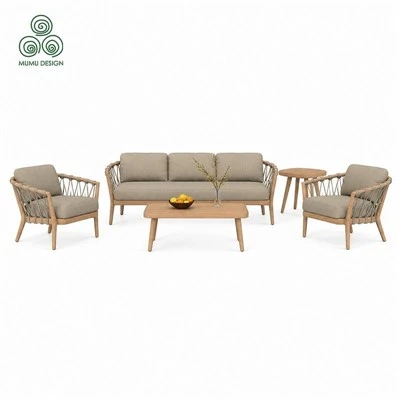
If you’re in the market for a new outdoor sofa, or you have questions about keeping your current one stable, hit me up. I don’t do pushy sales talk, I just give real advice based on years of dealing with this stuff, and I can help you find a sofa that fits your space and budget without all the headache. No hidden fees, no weird fine print—just a solid outdoor sofa that stays stable for years.
Faux Beam References:
- Outdoor Furniture Manufacturers Association. (2022). Guide to Structural Stability for Residential Patio Furniture.
- University of California Agriculture and Natural Resources. (2021). Maintaining Outdoor Wood and Metal Furniture for Longevity.
- American Society of Home Inspectors. (2023). Common Defects in Patio Furniture and Preventive Measures.
Dongguan Mumu WoodWork Co., Ltd.
As one of the most professional outdoor sofa manufacturers and suppliers in China, we also support customized service. Please feel free to wholesale bulk high quality outdoor sofa for sale here from our factory. Good service and low price are available.
Address: Room No.2602-2603, Unit 9B, Universal Commerce Center, Nancheng District, Dongguan City, Guangdong Province, China,523073
E-mail: sales@mumu-ing.com
WebSite: https://www.mumuthermowood.com/
