Let me cut right to the chase here, because I get questions like this every single day from athletes, parents, weekend warriors, and even nurses who’ve found themselves without the exact product they need for a foot ouch. This week alone, three different customers have slid into my DMs or sent over quick support tickets asking the same exact thing: “Can I just grab a regular medical bandage off the shelf and stick it on a gnarly foot injury?” Medical Bandage
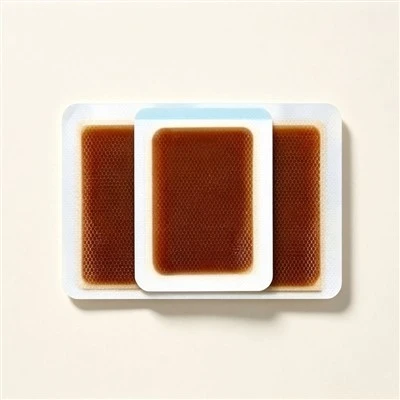
As a medical bandage supplier, I’m not here to say “yes” or “no” flat out—there’s way too much nuance here, especially when we’re talking about feet, which are brutal little workhorses. They’re closed off in shoes for most of the day, they get sweaty, they rub against socks and fabric, and they take constant impact when you walk, run, or climb. A foot injury isn’t a scrape on your forearm that you can cover and forget for an hour—it’s in a hot, pressure-cooked environment all day long, so the bandage you pick matters way more than you might think.
First, let’s get one thing straight: a basic medical bandage (you know the kind—small, adhesive, sterile, usually for minor scrapes on hands or arms) can work for some foot injuries. I’ve seen a customer put a standard bandage on a tiny blister pop at the gym, and it healed fine, no infection, no issues. But that’s a very specific scenario: a minor, low-exposure, low-pressure injury. A blister the size of a pea? A tiny scrape from a stone on a walk? That’s where a standard medical bandage might save you a trip to the doctor.
But here’s where I have to pause and say this is where most people go wrong. If you’ve got anything more than that—like a deep scrape after tripping over a curb, a blister that’s popped and oozing, a small cut from a broken glass on the patio, or even something more like a minor sprain that’s causing the skin on your foot to rub raw—using the wrong bandage is a mistake, and I’ve seen the consequences first hand. Last quarter, a guy came back to us red-faced, saying he’d used a basic medical bandage on a blister on his heel during a half-marathon, and by mile 8, the adhesive had rubbed off completely, leaving the blister open and him with a pretty bad infection that required antibiotics. He’d grabbed a standard bandage because it was what he had in his gym bag, and it wasn’t designed for the foot’s specific needs.
Let’s break down why feet are different, because this is the core of the answer. First, moisture: feet produce about a pint of sweat every day, even when you’re not running around. A basic medical bandage is designed to be somewhat waterproof for short periods, but it traps sweat against the skin instead of letting it escape. That creates a moist, warm breeding ground for bacteria—exactly what you don’t want near an open wound on your foot, where circulation is already a little lower than in your hands. Second, friction: your foot is moving non-stop when you walk, and even if you’re standing still, there’s movement between your skin, sock, and shoe. A standard medical bandage’s adhesive is strong, but it’s not designed to hold up to constant rubbing for hours on end. It will peel off, and when it does, it leaves the wound exposed to dirt, bacteria, and more friction that can make the injury way worse. Third, size and shape: basic medical bandages are cut for flat parts of your body, not the curve of your heel, the side of your toe, or the arch of your foot. A band that’s too small will only cover a tiny part of the injury, and a band that’s too big will bunch up under your sock and shoe, causing more pressure and blisters.
Now, I’m not here to tell you to never use a medical bandage on a foot injury—far from it. The right medical bandage is one of the most important tools for a foot injury, as long as it’s the right kind. Let’s walk through what actually works, based on the injury type, so you don’t make the same mistakes I’ve seen hundreds of people make.
First, if you’ve got a minor, low-risk injury: think a tiny, unbroken blister on the ball of your foot, a small scrape from a paper cut (wait, no—foot scrapes from walking on concrete are different, but a super tiny one), or a callus that’s starting to rub raw. In this case, a standard medical bandage can work, but only if you make a few tweaks. First, pick one that’s sterile (non-sterile bandages can have tiny debris that irritates the wound). Second, cut it to fit exactly, so there’s no extra fabric hanging over the edges that will bunch up. Third, make sure it’s adhesive, but not so strong that it pulls the surrounding skin when you take it off. And here’s a tip I learned from our in-house clinical advisor a few years back: wrap a small piece of medical tape around the edges of the bandage to seal it a little, but not so tight that it cuts off circulation. If you’re going to wear shoes, add a thin layer of gauze over the top to absorb extra sweat, because even a tiny amount can make the bandage slip.
But for anything more than that—wait, here’s the line: if your injury is oozing, deeper than a 1/4 inch, on a weight-bearing part of your foot (heel, ball, side of the toe), or if you’re planning to be on your feet for more than an hour, skip the standard medical bandage and go for a specialized foot bandage. At our company, we make a line of medical bandages specifically designed for foot injuries, and I’ll tell you why they’re worth the extra 30 seconds to grab instead of the random one from your medicine cabinet. They’re made with a breathable, moisture-wicking material that lets sweat escape instead of trapping it—no more soggy bandages by lunchtime. They have a flexible adhesive that sticks to the curve of your foot without peeling off, even when you’re walking or running. They’re cut in shapes that fit toes, heels, and arches perfectly, so no bunching. And most importantly, many of them have a non-stick pad in the middle, so when you take the bandage off, you don’t pull on the healing skin of your wound.
Wait, but let’s talk about when a medical bandage isn’t a good idea at all, even the specialized foot ones. If your injury is deep enough that you can see bone or fat, if it’s bleeding heavily and won’t stop after 10 minutes of pressure, if you think you might have broken a toe or sprained your ankle badly, or if you have signs of infection like redness spreading, swelling, or fever—stop, don’t use any bandage, and go see a doctor right away. Bandages can help with minor wounds, but they’re not a replacement for medical care when something is serious. I’ve had customers come to me with a deep cut that they tried to cover with a bandage for two days, only to end up in the ER with a stitch that wasn’t put in on time, and that’s avoidable.
Let me share a real customer story that drives this home. Last spring, a teacher named Sarah reached out to us. She’d been tracking mud around her school playground, stepped on a rusty nail that had poked through a loose board, and got a small puncture wound on the bottom of her foot. She grabbed a standard medical bandage from her desk drawer, covered it, and went back to work. By the end of the day, the bandage was soaked with sweat, peeled off halfway, and the puncture wound was red and swollen. She came back to us, picked up our specialized foot bandages, and by the next morning, the swelling had gone down. We talked about what she did wrong: she used a bandage that wasn’t designed for the sole of the foot, which traps moisture and doesn’t stick to the curved, pressure-heavy part of the foot. It wasn’t that standard medical bandages are bad—it was that she used the wrong one for her injury, in the wrong location.
That’s the biggest takeaway here, honestly. I spend a lot of time teaching people that medical bandages aren’t one-size-fits-all, especially not for feet. A bandage that works on your arm will not work the same way on your foot, because your foot is exposed to way more movement, moisture, and pressure.
Now, let’s get into some quick do’s and don’ts so you don’t have to second-guess next time you have a foot injury. Do: always clean the wound with mild soap and water first, no matter what bandage you’re using. Do: change the bandage every time it gets wet or dirty, because a soggy bandage is a bacterial petri dish. Do: check the wound every day for signs of infection. Don’t: use a standard medical bandage on an injury that’s on the bottom of your foot, on a toe, or that requires more than a few hours of wear. Don’t: use a bandage that’s too big or too small—fit is everything. Don’t: skip seeing a doctor if your injury is deep, bleeding heavily, or shows signs of infection.
I get that it’s tempting to grab whatever’s closest when you get a foot injury. I’ve been there—stepped on a Lego at 7 a.m., grabbed the first bandage in my junk drawer, and regretted it when it fell off mid-shoe-put-on. But a little bit of planning, or even a quick check to make sure you’re using the right type of medical bandage for your foot injury, can save you from a lot of pain, a lot of trips to the doctor, and even a nasty infection.
If you’re someone who deals with foot injuries regularly—whether you’re an athlete, a healthcare worker, a parent with kids running around all day, or just someone who’s prone to blisters—investing in the right medical bandage is worth it. We make a full line of medical bandages designed specifically for foot injuries, with options for every type of wound, from tiny blisters to slightly larger scrapes, that stick when you need them, breathe so your skin doesn’t get soggy, and won’t peel off when you’re on the go.
If you’re looking to stock up for your clinic, your sports team, or even just to keep at home for when you need it, reach out to our team. We work with hospitals, clinics, sports organizations, and individual customers to get the right medical bandages at the right price, and we’re always happy to answer any questions you have about which bandage is best for your specific foot injury. Don’t settle for a bandage that wasn’t made for your foot—your feet work hard for you, and they deserve a bandage that works as hard as they do.
Medical Nasal Strips References:
- American Academy of Orthopaedic Surgeons. (2022). Foot Injury First Aid Guidelines.
- Wound Care Society. (2021). Moist Wound Healing for Lower Extremity Injuries.
- Centers for Disease Control and Prevention. (2023). Preventing Skin Infections from Minor Wounds.
- Journal of Athletic Training. (2020). Bandage Selection for Lower Extremity Sports Injuries.
Anhui Meikangning Biotechnology Co., Ltd.
As one of the most professional medical bandage manufacturers and suppliers in China, we’re featured by quality products and good price. We warmly welcome you to buy customized medical bandage made in China here from our factory. If you have any enquiry about pricelist, please feel free to email us.
Address: Room 3-1, Building 7, Guojiaomei Industrial Park, Chengbei Town, Jin’an District, Lu’an City, Anhui Province, P.R.China
E-mail: M13957922968@163.com
WebSite: https://www.meikangningbio.com/
