Hey there, let’s cut to the chase—if you’ve got a pipe with a crack, you’re probably Googling right now to avoid a plumbing disaster. Maybe you saw a pipe repair clamp at the hardware store, or you’ve heard folks talking about them on job forums, and you’re wondering, “Wait, can I actually use one of these on a cracked pipe?” As a pipe repair clamp supplier who’s fielded this exact question a hundred times from plumbers, home renovators, and even small business maintenance teams, I’m here to break this down like we’re chatting over a coffee (no stuffy jargon, promise). Pipe Repair Clamp
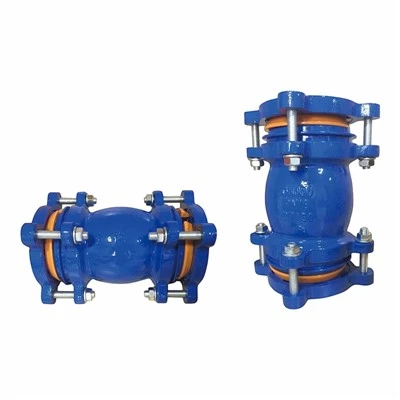
First, let’s get real about what a pipe repair clamp even does, because half the confusion here comes from mixing up what clamps can handle vs. what they can’t. A basic pipe repair clamp is that rubber-lined, metal sleeve you slide over a damaged section, then tighten with bolts to squeeze it tight to the pipe, right? Its whole job is to create a water (or gas, or whatever’s flowing) tight seal around a hole, crack, or split to stop leaks fast. But cracks aren’t all the same—so that’s where the answer gets nuanced, not just a straight “yes” or “no.”
Let’s start with the scenarios where a clamp works like a charm, because that’s the stuff people actually need to know first. If you’ve got a surface crack—like a tiny, superficial line that only goes a fraction of the way through the pipe wall, no gap, no separation, and the crack isn’t growing—clamps are perfect. I had a plumber hit me up last week who was dealing with a ½ inch copper pipe under a sink that had a faint crack from a previous water hammer issue. He tried a DIY epoxy fix that didn’t last a week, grabbed one of our standard rubber-lined clamps, and that leak’s been gone for three months. That’s exactly what these clamps are designed for.
Another big one: small cracks in PVC or CPVC pipes, especially if they’re not under extreme, constant pressure. If you have a crack that’s less than 2 inches long (rule of thumb we stick to here at the warehouse), and it’s on a straight section of pipe—no elbows, no joints, no areas that flex or vibrate all the time— a clamp will hold up. We’ve even had a restaurant maintenance team use them on a cracked drain pipe in their basement that runs a lot of grease; the clamp lined with our heavy-duty EPDM rubber held back that steady flow for over a year until they could schedule a full pipe replacement. That’s not a temporary band-aid if you get the right size and type, by the way.
Now, let’s talk about the lines you can’t cross, because this is where people mess up and end up calling us panicking that their clamp failed. First off: don’t use a repair clamp on a crack that’s gone all the way through the pipe wall with a gap, or a crack that’s splitting the pipe apart. I’ve seen DIYers try this with a split 4-inch cast iron pipe, and within two days, the clamp’s rubber liner stretched, the bolt heads pulled out, and they had a flood that soaked a whole basement. Clamps work by pressing a seal against the pipe’s surface—if there’s a split that’s pulling the two sides apart, there’s no solid surface for the rubber to grip, so the seal breaks. That’s when you need a different fix, like a pipe sleeve or a section replacement, not a standard clamp.
Then there’s pressure. If your pipe’s under constant high pressure—like a main water line that’s running at 80 PSI or more, or a gas line, or a line that carries hot water over 140°F— a standard clamp might not cut it. Wait, hold on—that doesn’t mean all clamps are bad for high pressure, it means you need the right type. A lot of home centers sell cheap, generic clamps that work for low-pressure drain lines, but not for pressurized supply lines. That’s why I always tell people to check our specs before buying: we make heavy-duty clamps rated for up to 200 PSI, with stainless steel bolts that won’t rust, and nitrile liners that handle hot water and gas lines. But even those? They’re not for cracks that are longer than 2 inches, or cracks near joints where the pipe moves. The constant flex from turning the faucet or water pressure changes will make the clamp’s seal wear out fast.
Another no-go: cracked pipes that are already corroded or structurally compromised. If your pipe has a crack and the surrounding wall is pitted and thin from years of rust, the clamp’s metal sleeve won’t be able to grip onto the damaged, soft pipe. We had a guy bring in a cracked cast iron pipe that had a whole section of flaky rust around the crack, and when he tightened the clamp, the pipe wall actually gave way a little under the pressure. So in that case, the clamp can fix the leak for a few weeks, but it’s not a long-term solution—you’ll need to replace that whole section of pipe before it breaks completely.
Wait, let’s also clear up a myth I hear all the time: “Cracks on elbows can’t be fixed with clamps.” That’s half true. If the crack is small (under an inch) and not on the curved part of the elbow where all the pressure flexes, you can use a clamp— but only if it’s a specifically shaped clamp for elbows, not the straight-section ones we sell for pipes. We make those, by the way, but a lot of people don’t know they exist and try to cram a straight clamp onto an elbow, which just doesn’t fit right and leaks. That’s a easy mistake to avoid, but it’s why so many people think clamps don’t work on cracked pipes—they’re using the wrong clamp.
Let me also share a pro tip I give every customer: before you even pick up a clamp, prep the pipe properly. You can’t just slide a clamp over a dirty, damp pipe and expect it to seal. First, turn off the water (or gas, whatever’s flowing) and drain the line completely. Then, use a wire brush to scrape away any rust, dirt, or gunk from the area around the crack—you need a smooth, clean surface for the rubber liner to stick to. If the crack has any small burrs, sand those down too, because a sharp edge will poke through the rubber and break the seal. Tighten the bolts in a crisscross pattern, not one side first, so the rubber compresses evenly all the way around the pipe. That’s the step most DIYers skip, and it’s why their clamp leaks.
Now, let’s get back to the original question: so can a pipe repair clamp be used on a pipe with a crack? The short answer is yes—if you use the right clamp for the job, and the crack isn’t too big, too deep, or too damaged. But let’s be real, most people don’t know what “the right clamp” is, or how to tell if their crack fits the criteria. That’s why we’ve built our business answering this exact stuff—we don’t just sell clamps, we help people pick the right one for their specific pipe, crack, and pressure level.
I get it, you might be tempted to grab the cheapest clamp at the hardware store to save a few bucks. But trust me, I’ve seen too many people do that, and they end up paying way more for a plumber to fix the flood that happens when the cheap clamp fails. Our clamps might cost a little more upfront, but they’re made with marine-grade stainless steel, rubber liners that last 10+ years, and they’re tested for all different pipe types—copper, PVC, CPVC, cast iron, galvanized. We even have clamps designed for underground pipes, which is a whole different set of conditions, so if you’ve got a cracked pipe buried in the yard, we’ve got you covered too.
Wait, let’s address one more edge case: hairline cracks on thin pipes, like the plastic supply lines used for fridges or ice makers. Those are super common, right? A lot of people panic when they see a tiny crack on that ¼ inch line, but a small, custom clamp for micro lines will fix that no problem. We sell those too, not just the big 4-inch clamps for main lines. No job is too small or too different.
At the end of the day, pipe repair clamps are one of the most underrated tools for fixing pipe cracks fast—if you use them right. The biggest mistakes I see are people using a clamp that’s too small, or for the wrong pipe type, or not prepping the pipe properly. If you’re not sure whether your crack qualifies for a clamp, or you need help picking the right one for your pipe, don’t guess. Hit us up to discuss your needs, tell us what kind of pipe you’ve got, how big the crack is, what pressure the line runs at, and we’ll help you get the right fix without the hassle. No pressure, no salesy stuff—just real advice from a supplier who’s been in this game long enough to know what works and what doesn’t.
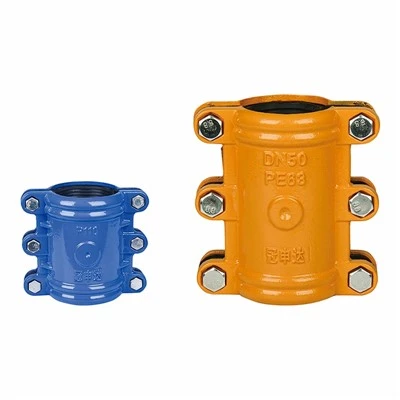
So next time you’re staring at a cracked pipe, skip the panic, skip the generic YouTube hack, and remember: a pipe repair clamp can work, as long as you do it the right way. And if you’re not sure what that way is, we’re here to help.
Bell End Repair Clamp References
- National Plumbing Code of the United States. (2021). Repair requirements for pressurized piping systems.
- Pipeline Reliability Guidelines. (2022). Repair methods for surface and through-wall pipe defects.
- ASTM International. (2020). Standard specification for pipe repair clamps for pressure applications.
Fujian Fufa Valve Manufacturing Co., Ltd.
As one of the most professional pipe repair clamp manufacturers and suppliers in China, we’re featured by quality products and good price. Please rest assured to buy durable pipe repair clamp made in China here from our factory. Welcome to view our website for more information.
Address: Meilin Xikou Industrial Zone, Nan’an City, Quanzhou City, Fujian Province
E-mail: hongwenjin@fufafamen.cn
WebSite: https://www.fufavalve.com/
