If you’ve ever worked in the tire recycling game, you know even the fanciest machine out there comes with its own set of headaches. At the end of the day, these rigs are handling 10-20 year old rubber that’s been exposed to sun, rain, and every chemical under the sun, so wear and tear is just part of the territory. But as someone who’s been supplying tire recycling machines for almost a decade, I’ve seen way too many ops run into avoidable issues that kill productivity, waste money, and leave crews frustrated. Let’s break down the most common ones, no fancy jargon, just straight talk from someone who’s dealt with this first-hand. Tire Recycling Machine
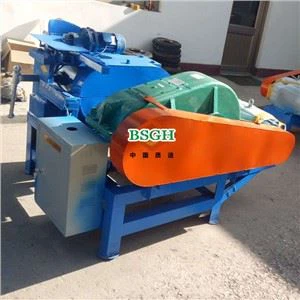
First up, inconsistent output from the granulator unit. That’s the part that chews up whole tires into small rubber granules, right? I’ve heard so many clients say one day they’re cranking out clean 10-mesh granules no problem, and the next, they’re getting a mix of fine dust, oversize chunks, and half-melted rubber that clogs everything up. A lot of folks blame the machine itself, but 9 times out of 10, it’s not the machine—it’s the tire prep. If someone’s feeding whole tires without properly removing steel belts first, those little steel wires get tangled in the granulator blades and mess up the balance. Or if the tires are wet (say, they’ve been sitting outside in a rain puddle for a week), the moisture causes rubber to stick to the blades, instead of being cut clean. Even a tiny bit of debris—like a loose piece of plastic from a tire label—can throw the whole setup off. I had a customer last year who was switching between new and used tires in the same feed hopper without cleaning out the old material, and his output dropped 30% for almost two weeks before he figured it out. That’s the kind of silly mistake that eats into profit faster than any machine flaw.
Next, blade wear that’s way too fast. Granulator blades are basically the workhorses of the whole line, and if they’re not maintained right, they’ll dull in months instead of years. Here’s the thing: a lot of new operators cheap out on replacement blades, buying generic ones instead of the high-carbon steel ones that are designed for heavy tire recycling. I’ve seen a client use budget blades that dulled in 2 months, while another with quality blades went 18 months before needing a swap. And it’s not just the blade material—operator error plays a huge part. If someone’s feeding the machine too fast, cramming in more tires than the hopper can handle, the blades get slammed instead of cutting smoothly, which causes them to chip or bend. Even improper blade spacing can be a killer: if the gap between the rotating and fixed blades is off by just a millimeter, you’ll get uneven cuts and way more wear. I always tell new clients to log their blade changes and feed rates—you start to see patterns after a couple of runs, like “if I feed 5 tons an hour, blades last 10 months; 7 tons, 6 months.” That data saves you so much money on repairs.
Then there’s dust management that’s an afterthought. No one talks about this enough, but tire recycling generates a ton of fine rubber dust, and it’s not just a nuisance for the crew—it’s a fire hazard, plain and simple. I’ve had two clients so focused on upgrading their granulator that they forgot to install proper dust collection systems, and both ended up shutting down for OSHA inspections. The dust can also get into the machine’s moving parts, bearings, and motors, causing them to seize up. A friend who runs a recycling plant told me last year his dust filter got clogged because he only changed it every 3 months instead of monthly, and his main motor burned out, costing him $12k in repairs and 5 days of downtime. Most machines come with basic dust vents, but you have to pair them with a cyclone separator or a baghouse filter that’s sized for your line’s output. Skipping that step is like buying a sports car and skipping the oil change—you’re asking for trouble.
Oversize tire parts or steel belt contamination. This ties back to output, but it’s a separate headache. After the granulator, you usually have a screening unit that sorts granules by size, but if there’s leftover steel bits or whole tire chunks, they clog the screens faster than anything. Whole tire chunks usually happen when the granulator’s rotor speed is too low—if it’s spinning slow enough to mash a tire instead of cut it, you get those big, irregular pieces. Steel contamination is even worse, though. If your machine’s magnetic separator isn’t strong enough (or isn’t aligned right), tiny steel wires from tire belts slip through and end up in the granulator or the final product. Those steel bits can scratch screens, damage downstream equipment like rubber pulverizers, and even ruin the end product if you’re selling granules for playground surfaces or asphalt. I once had a client who sold contaminated granules to a playground supplier, and they had to do a full product recall—cost him $20k in refunds and a damaged reputation. Moral of the story: don’t cut corners on magnetic separators, and check them every shift.
Downtime from faulty conveyor systems. Conveyors are the unsung heroes of a tire recycling line, but they’re always the first to break. Most of the time, it’s not the conveyor itself—it’s how it’s set up. If the conveyor belt is made of regular rubber instead of the heavy-duty, abrasion-resistant rubber made for recycled tire granules, it’ll wear through in a year instead of 3-5. Or if the idler rollers (the little wheels that support the belt) aren’t properly lubricated, they seize up, causing the belt to bunch or snap. I’ve seen machines where operators loaded the conveyor with way more weight than it was rated for, leading to belt tears and motor burnout. Another big one: improper slope. If a takeaway conveyor (the one that pulls material away from the granulator) is too steep, the fine dust and small granules slide back down, building up in the granator hopper and causing jams. We usually adjust the slope based on the material—for fine granules, we keep it under 15 degrees; for bigger chunks, up to 20. It’s a small tweak, but it cuts conveyor downtime by a ton.
Electrical and control system glitches. A lot of newer recycling machines come with fancy PLC control systems that automate feed rates and sort sizes, but that also means more things can go wrong. I’ve had clients who had a power surge fry the control board, costing them $3k in parts and a week of downtime. Or if the control system isn’t calibrated right, it’ll feed too fast or too slow, messing up the whole line. Older machines often have simpler wiring, but they’re prone to loose connections from all the vibration of running heavy machinery. I always tell operators to do a weekly check of all electrical connections, especially after moving or restarting a line, because vibration will loosen wires over time. And for the love of all things profitable, get a surge protector—way cheaper than replacing a control board.
Wait, let’s not forget about training. This is the biggest hidden problem, honestly. A machine is only as good as the person running it. I’ve seen super expensive, top-of-the-line machines sit idle for 3 months because the crew didn’t know how to adjust the blade gap or clean the dust filters. Last year, a client bought our mid-range granulator, but his two workers had only run old, basic machines, so they were cramming in too many tires, wearing out blades in 2 months and jamming the screen every other day. We ended up sending a technician out for a 2-day on-site training, and his output jumped 40% right after. Training isn’t a “nice to have”—it’s a necessity. Too many operators treat machine setup like something you can figure out on your own, but tire recycling machines have specific quirks, and misusing them leads to way more problems than any mechanical flaw.

Now, before you write this off as just a list of complaints, let’s be clear: most of these issues are fixable, and a lot are avoidable with basic maintenance, good prep, and a little training. I’ve worked with ops that run their machines for 12+ hours a day, 5 days a week, with barely any major breakdowns—they just stay on top of blade changes, clean their dust systems, and train their crews right.
Radiator Stripper Machine If you’re in the market for a tire recycling machine, you don’t have to go through the trial and error I’ve seen so many people deal with. Drop us a line, and we can walk through your specific setup, what materials you’re processing, and how to avoid the headaches I mentioned. We don’t just sell machines—we’ve spent years working with recycling plants to figure out exactly what works, so you can skip the mistakes and get up and running fast.
References
- Rubber Manufacturers Association. “Tire Recycling Equipment Maintenance Best Practices” 2022.
- Occupational Safety and Health Administration. “Hazard Control for Rubber Dust in Tire Recycling Facilities” 2021.
- International Tire Recycling Association. “Common Machine Contamination Issues and Mitigation” 2023.
- Journal of Solid Waste Technology and Management. “Performance Analysis of Granulator Systems for End-of-Life Tires” 2020.
- Equipment Maintenance News. “Key Wear Components in Industrial Recycling Machinery” 2022.
Xi’an Grand Harvest Equipment Co., Ltd.
Xi’an Grand Harvest Equipment Co., Ltd. is one of the leading tire recycling machine manufacturers and suppliers in China. We warmly welcome you to buy or wholesale cheap tire recycling machine for sale here from our factory. All customized products for distributors and dealers are with the best quality and low price.
Address: Room 603, Building G, Wangzuo Modern City, No. 35 Tangyan Road, Hi-Tech Zone, Xi’an, Shaanxi, China.
E-mail: coppergranulator@bsghrecycling.com
WebSite: https://www.bsghrecycling.com/
