When I first started my cable tray supply business, I’d always tell my clients that a good cable tray install is only half the battle—keeping it clean and functional is what keeps their projects running long-term. A lot of folks act like cleaning cable trays is just a quick wipe-down when they notice a dusty layer, but if you’re working with us (the cable tray pros), we know it’s way more intentional than that. Skipping proper cleaning leads to big headaches: dust buildup trapping moisture, corrosion eating at the tray’s structural metal, and even extra load from loose debris that can stress supports. Over the years, I’ve walked contractors, facility managers, and even construction newbies through this process, and I’m breaking down exactly how to do it right—plus why it matters for everyone working with our trays. Cable Tray

First, let’s nail down when you actually need to clean a cable tray. A lot of guys wait until they spot obvious grime, but we check our supplied trays as part of every post-install check, and we set up a quarterly (or twice-yearly, depending on the environment) schedule. If your setup’s in a dusty warehouse, outside near construction zones, or in a space with high humidity, you’ll want to bump that to monthly. For dry, climate-controlled office spaces? Quarterly works. I’ve had a client in a food processing plant skip cleaning for 18 months—they ended up with grease and food gunk clogging gaps between the tray rungs, which caused a fiber optic line to overheat and shut down their inventory system. Oops. Timing is key, and not just for keeping things clean; cleaning when the tray’s low on cables (or if you can shut off power to the area temporarily, even better) makes the whole job way easier.
Now, let’s talk prep. You don’t want to be scrambling for tools mid-clean, so gather your stuff first. Basic kit includes a stiff-bristle brush (nothing too metal—metal can scratch the tray’s protective coating, which opens it up to rust later), a soft microfiber cloth, a shop-vac with a narrow nozzle attachment, a bucket of warm water, a mild dish soap (no harsh chemicals like bleach or heavy degreasers—those can eat at galvanized or powder-coated finishes we use), and a pair of work gloves. Pro tip from me: if your tray has heavier buildup, a spray bottle with a 50/50 mix of warm water and dish soap works way better than pouring water directly on the tray. I once saw a guy blast a hose at an outdoor aluminum tray—he ended up with water seeping into cable joints, and that cost him a full day of repairs. Save the hoses for power washing the exterior walls, not the cable trays. Also, before you start, tag all cables so you don’t mix them up if you have to gently move them—nothing’s worse than disconnecting a live line trying to clean behind it.
Next, the actual cleaning step-by-step, and this is where most people mess up. First, do the dry cleanup first. That means using the shop-vac to suck up loose dust, crumbs, and small debris from the top of the tray, between rungs, and in any ledges. Don’t skip this—wetting down dry grime turns it into a sticky paste that’s impossible to get off later. I always tell folks to start at one end of the tray and work their way to the other, so you don’t miss spots. Once the loose stuff is gone, use your soft brush (not the stiff one yet!) to gently scrub any light dirt spots on the tray’s surface. For grease or stubborn gunk, spray your mild soap mix on the area, let it sit for 2 minutes (no longer—longer can damage the coating), then wipe with the microfiber cloth. Now, here’s the part almost no one does right: clean the underside. Cable trays catch dust and debris from above (like from ceiling vents or construction dust), so the underside is just as dirty as the top. Flip the stiff-bristle brush around (or use a small handheld brush) to get in the gaps, and the shop-vac’s narrow nozzle to suck up debris that falls as you work.
Wait—what if your tray has a powder-coat finish or is galvanized, which is what we supply almost all our trays in? That’s why we stress using mild soap. Harsh degreasers, acidic cleaners, or ammonia will strip that protective layer, leaving the metal vulnerable to rust, especially if the tray’s outside. I had a client with a custom powder-coated tray try to use a heavy industrial degreaser to clean it after a spill, and a month later, they had spots of corrosion showing through. Replacing the tray would have cost them more than the degreaser itself—way better to just use the mild stuff. If you’re dealing with a really stubborn stain that won’t come off with soap, a little baking soda mixed with water makes a gentle paste that works without damaging the finish. I keep a small container of baking soda in my truck for these exact moments.
Now, let’s cover specific scenarios, because not all cable trays are the same. Outdoor trays, for example, get exposed to rain, sun, and even salt if they’re near a coast. For these, you’ll need to do a deep clean once a year, in addition to regular light cleanings. For the deep clean, use a pressure washer on the lowest setting (max 1500 PSI—higher can bend the tray’s rails) and hold it 12 inches away from the metal. Don’t aim the pressure washer directly at cable connections or the tray’s structural bends—those are weaker points, and the water can push into the cable ends. If you’re in a coastal area, add a rinse with fresh water after pressure washing to get rid of salt residue, which is a huge rust culprit. I work with a client in Miami who swears by this—they do a deep clean every spring, and their coastal trays have lasted twice as long as the industry average.
What about trays in industrial settings, like factories with heavy machinery? These get oil, coolant, and metal shavings on them. For these, the 50/50 soap mix works, but you might need to let it sit a little longer (3-4 minutes) for oil, and use the stiff brush to scrub metal shavings loose. Make sure to vacuum all metal shavings completely—if they’re left on the tray, they can cause a reaction called galvanic corrosion, especially if you have aluminum and steel cables close by. That’s a big one I see people miss all the time—little metal bits left behind turn into hidden rust spots that can weaken the tray over time.
Now, after cleaning, there’s a quick step to keep your tray in good shape: inspect it. While you’re wiping down, check for dents, bent rails, or any loose supports. If you spot a small dent, it’s usually not a big deal, but a bend that makes the tray lopsided can throw off cable alignment. We supply replacement parts for all our trays, so that’s an easy fix. Also, look for any signs of corrosion—small spots are easy to touch up with a matching paint (we can hook you up with that too), but if you have large areas of rust, it’s better to replace the tray than risk it failing.
Wait, a common question I get: should you clean a cable tray while cables are still running through it? The short answer is, if you can shut off power to the area for 15-20 minutes, that’s safest. But if you can’t (like in a 24/7 hospital or data center), just be super careful. Don’t use too much water, keep the shop-vac’s nozzle away from live cables, and don’t yank or move cables. I always tell people to work slowly in those cases—better to take an extra 10 minutes than to cause a power outage.
Now, why does all this matter for you and our cable trays? We build our trays to last, but proper cleaning extends their lifespan way beyond the usual 10-15 years. I’ve had clients who clean their trays regularly and still use the same trays we installed 18 years ago—those are the kind of long-term customers we love. Plus, a clean tray is safer. Debris buildup can cause heat to get trapped around cables, which is a fire hazard, and loose metal bits can short out lines. It’s not just about keeping things neat—it’s about protecting your team, your equipment, and your business.
A lot of first-time clients come to us thinking cable tray cleaning is a pain, but once they get into a routine, it’s just part of their regular maintenance. It’s way cheaper than replacing a tray, fixing a cable outage, or dealing with corrosion down the line. If you’re not sure what kind of tray you have (we do galvanized, powder-coat, aluminum, and stainless steel trays for different environments) and what cleaning products are safe for your specific model, just reach out. We’re not just suppliers—we’re here to help you keep your cable systems running smoothly.
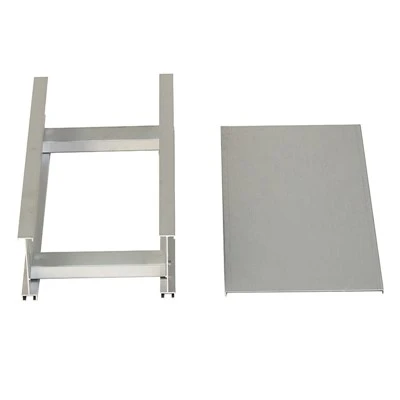
If you’re in the market for new cable trays, need replacement parts, or want to chat about the best maintenance routine for your setup, don’t hesitate to get in touch. We’ve helped hundreds of clients across industries pick the right trays and keep them in great shape for years.
Aluminum Cable Tray References:
- National Electrical Manufacturers Association (NEMA). Standard for Cable Trays and Cable Busways. ANSI/NEMA VE 1-2021.
- Occupational Safety and Health Administration (OSHA). Electrical Wiring Methods, Components, and Equipment. 29 CFR 1910.303.
- International Electrotechnical Commission (IEC). Cable Tray Installation and Maintenance Guidelines. IEC 61537:2020.
- Galvanizers Association. Care and Maintenance of Galvanized Steel Cable Trays. Technical Bulletin 2022.
- Powder Coating Development Association. Guidelines for Cleaning Powder-Coated Metal Surfaces. 2021.
Hebei Jinglang Industrial Co., Ltd.
As one of the most professional cable tray manufacturers and suppliers in China, we also support customized service. We warmly welcome you to wholesale high quality cable tray in stock here from our factory. If you have any enquiry about quotation, please feel free to email us.
Address: Nanxinzhuang Village, Daweihe Hui and Manchu Township, Wen’an County, Langfang City, Hebei Province
E-mail: wei32830@gmail.com
WebSite: https://www.jinglangcabletray.com/
