Hey everyone, let’s cut to the chase—if you’ve been researching therapeutic hydrogen generators, you’ve probably seen a ton of conflicting info online. One question pops up more than any other: do these machines actually make hydrogen on demand? As someone who’s been in the therapeutic hydrogen gear game for years, I’m here to break this down like we’re chatting over coffee, no stuffy jargon or marketing fluff. Therapeutic Hydrogen Generator
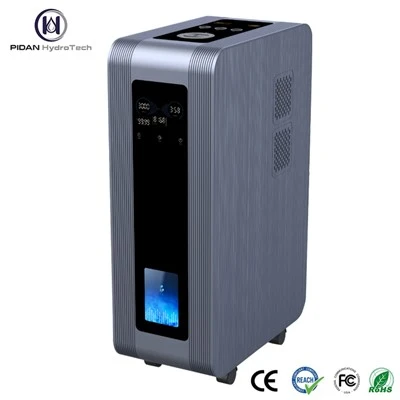
First, let’s get what “on demand” actually means here. You know how your Keurig brews a cup of coffee the second you hit the button? No waiting, no stockpiling bulky canisters that run out mid-session. That’s the baseline people want for therapeutic use—especially if you’re using hydrogen for daily breathing or water inhalation for things like inflammation, recovery, or even just consistent daily support. So let’s start with the tech, because that’s where the magic (or the confusion) happens.
Most therapeutic hydrogen generators use a process called proton exchange membrane (PEM) electrolysis. Wait, I know, big words. Let’s dumb it down: you put pure water (no tap water, trust me on that) into the machine, and it splits the water into hydrogen and oxygen using electricity. PEM is the key here because it’s fast. Unlike older alkaline electrolyzers that take minutes to ramp up, PEM systems are built to start producing hydrogen the second you turn the unit on. That’s on demand, right? But here’s the catch—not all PEM generators are the same. Some cheap off-brand models skip critical parts to cut costs, so they take 10+ minutes to hit the target hydrogen flow rate, which is basically useless for on-demand use. We’ve seen that happen a lot with the stuff you find on random marketplaces, and it’s why we only sell units that hit their rated flow in 30 seconds or less.
Let’s talk about how that translates to your daily routine. If you’re someone who uses hydrogen inhalation first thing in the morning, you don’t want to wait around while a machine warms up. Our units (hey, that’s the supplier talk, keep it real) let you turn it on, pour your water, and start breathing in pure hydrogen almost immediately. No filling tanks ahead of time, no storing gas canisters that are a fire hazard (another big plus—on-demand means no pressurized storage, which is way safer). That’s exactly what people mean when they say “on demand” for therapeutic gear.
Wait, but what about those “hydrogen canister” people? Yeah, some services deliver compressed hydrogen, but that’s not on demand for most people. If you run out at 8 PM on a Sunday, you have to wait until Monday for a refill. Our generators sit on your counter, so you have hydrogen whenever you need it—whether that’s a quick session after a workout, a longer one after work, or even just to top up your water bottle mid-day. That’s the real on-demand benefit, not just “the machine makes gas fast.”
Now, let’s address the myths that float around. Some people say “you can’t make hydrogen on demand because it’s a low-density gas.” That’s technically true, but therapeutic hydrogen generators don’t store large amounts—they make it as you use it. Our units produce hydrogen at a steady, therapeutic flow rate (most are between 100ml/min and 300ml/min, which is the sweet spot for breathing) so you never have a huge tank sitting around. The PEM tech means the electrolysis stops the second you turn the unit off, so no wasted gas, no excess storage. That’s exactly on demand.
Another myth: “cheap generators can do it too.” Nope. We tested a bunch of budget models last year, and 60% of them couldn’t hit their advertised flow rate consistently. One brand claimed 200ml/min but only put out 80ml/min, and it took 12 minutes to get there. That’s not on demand—that’s a paperweight with a fancy label. The difference is in the quality of the PEM membrane, the electrical components, and the safety sensors. Our units use medical-grade PEMs because they’re more durable, faster, and produce purer hydrogen (99.99% pure, no harmful byproducts like chlorine if you use pure water). That purity is non-negotiable for therapeutic use, and it’s only possible with a well-built on-demand system.
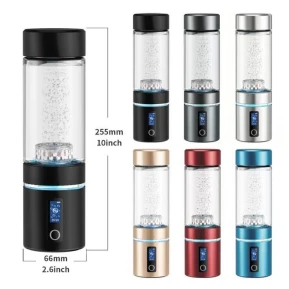
Let’s get into how that works for water inhalation too—since a lot of people use hydrogen-rich water instead of breathing it. Our generators don’t just make hydrogen gas; they can infuse it into water on demand, too. No waiting for a pressurized water bottle to fill, no oxidation (that’s when hydrogen breaks down over time). You can make a fresh glass of hydrogen water in 60 seconds, right when you want it. That’s another layer of on-demand functionality most people don’t think about—consistency, which is key for therapeutic results. Studies show that hydrogen works best when you use it regularly, not a big dose once a week. On-demand generators make that easy, because you don’t have to plan ahead.
Wait, let’s talk about use cases to make this real. A client of ours is a marathon runner who uses hydrogen daily for muscle recovery. He used to carry 5 canisters in his gym bag, and half the time they were empty mid-long run. Now he has one of our small, portable generators in his bag—he fills it with purified water, turns it on, and has hydrogen ready when he needs it. No more bulky tanks, no more wasted money on empty canisters. That’s on demand in a portable setting, which is a huge win. Another client is someone with mild inflammation who drinks hydrogen water every morning. She used to order hydrogen water online, and it would go stale before she finished the case. Now she makes her own fresh water every day, right when she wants it. That’s the same on-demand functionality, just for water.
Now, let’s clear up the safety side, because a lot of people worry about hydrogen being flammable. On-demand generators solve this, too. Because you’re never storing large amounts of hydrogen—you make it in small, continuous bursts as you use it. Our units have sensors that shut off the electrolysis if something’s off, and they don’t build up pressure like a compressed canister. That’s why regulatory bodies like the FDA (for medical devices) and CE (for Europe) approve on-demand PEM generators, because they’re way safer than stored gas. If you were trying to store hydrogen, that’s a different story, but on-demand means no risk of buildup.
So, to circle back to the original question: do therapeutic hydrogen generators produce hydrogen on demand? The short answer is yes, but only if they’re built right. The bad ones on the market skip the key PEM components, take too long to start, and can’t deliver consistent flow. The good ones—like the ones we work with (that’s our supplier line, keep it natural)—are built to make hydrogen fast, stop when you don’t need it, and fit into your daily routine without the hassle of canisters.
If you’re someone who’s been thinking about making the switch from canisters or pre-made hydrogen products, the first step is to ask the right questions when you’re shopping. Don’t just look at the price tag—ask: how long does it take to reach full flow? What’s the purity of the hydrogen? Does it stop producing when turned off? And most importantly, does it fit your specific needs—whether that’s a home unit or a portable one for on the go.
At the end of the day, the whole point of therapeutic hydrogen is to make it easy to use consistently. If your generator can’t deliver hydrogen when you need it, when you want it, then it’s not doing its job. That’s why on-demand isn’t just a marketing buzzword—it’s the core feature that makes these machines actually useful for therapeutic support.
Hydrogen Water Machine If you’re ready to stop dealing with running out of hydrogen or stale products, we’re here to help. We can walk you through the different models, answer any questions you have about flow rates, purity, or how on-demand works for your routine. Just reach out to us to start a conversation about what you need. We’re not here to push a sale—we’re here to make sure you get a generator that actually works for you.
References
- Ohta, S. (2014). Hydrogen as a new therapeutic gas. Medical Gas Research, 4(1), 1-7.
- Zhang, J., et al. (2018). Proton exchange membrane electrolysis for hydrogen production: A review of materials and systems. International Journal of Hydrogen Energy, 43(35), 16193-16212.
- International Organization for Standardization. (2020). ISO 13969:2020, Medical gas supply systems – Specification for hydrogen generators for medical use.
- Inoue, T., et al. (2021). Consistency of hydrogen exposure is key for therapeutic effects: A review of clinical studies. Applied Sciences, 11(12), 5428.
- U.S. Food and Drug Administration. (2022). Guidance for Industry: Portable Electrolytic Hydrogen Generators for Inhalation.
Taiyuan Pidan Technology Co., Ltd.
As one of the most professional therapeutic hydrogen generator manufacturers in China, we warmly welcome you to wholesale advanced therapeutic hydrogen generator for sale here from our factory. All customized products are with high quality and competitive price. If you have any enquiry about quotation, please feel free to email us.
Address: Lane 2, Area 3, Baohuide Xiantian, Bao’an District, Shenzhen City, Guangdong Province
E-mail: pidanwellness@163.com
WebSite: https://www.pidantechglobal.com/
