Hey there, fellow fixers, contractors, and anyone staring at a roof leak they swear they can fix without calling the big guys. If you’ve ever found yourself scrolling through Amazon at 2 a.m. searching for “fast roof repair hacks,” you’ve probably seen those giant rolls of double-sided industrial tape in the home improvement section. I’m the head of product over at a company that makes that exact tape—we don’t mess with the cheap stuff you use to wrap a birthday gift, we’re talking heavy-duty, engineered-for-industrial-use stuff. And lately, I’ve gotten so many emails from folks asking the same question: “Can your double-sided industrial tape actually fix my roof?” Spoiler: It’s not a one-size-fits-all answer. Let’s break this down like we’re talking over a coffee (no stuffy engineering jargon, promise). Double-Sided Industrial Tape
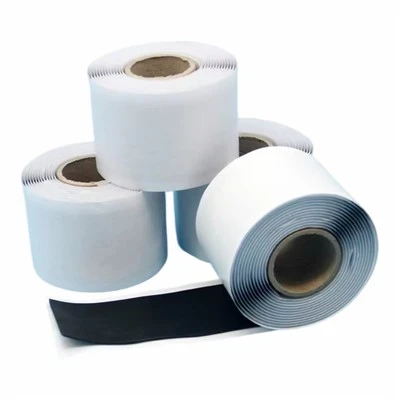
First off, let’s get one thing straight: Roofs are brutal. They deal with constant temperature swings—think 100°F in the summer sun, freezing in the winter, rain, snow, wind that’s strong enough to yank a branch off a tree. So whatever you use has to stick through all that, and it can’t just peel off after a month. Regular household tape? Forget it. That’s the stuff that comes off in a drizzle. Our double-sided industrial tape is different—we test it to hold up in way harsher conditions than your average weather. But that doesn’t mean it’s a replacement for shingles or flashing when your whole roof is falling apart.
Let’s start with the good stuff: the cases where our tape works like a charm. Small, localized repairs, mostly. Like that loose edge on a vent pipe flashing that’s been bugging you. Or a tiny tear in a synthetic roof membrane (the flat, rubbery stuff used on modern homes) that’s only a couple inches long. I had a roofing contractor reach out last month saying he used our tape to fix a tear in a client’s garage roof mid-storm—no bucket leaks, no having to wait for a sunny day. He cleaned the area first (super important, I’ll get to that later), cut a piece of tape big enough to cover the tear and two inches on each side, pressed it down hard, and that was it. It’s also great for securing small, non-structural parts: roof edge trim, loose gutter hangers (the ones that don’t bear too much weight), or even temporary fixes for missing shingle tabs until you can schedule a proper repair.
But wait—there are a ton of times when our tape is not the answer. And I’d never steer someone wrong here. For example: If your roof has a big gaping hole, like the size of a basketball? No way. Tape can’t span that, and it’ll blow off in the wind. If it’s a structural issue, like a sagging section of roof, or rot around a vent that needs replacing? Tape won’t fix that. It’s a sealant, not a structural replacement. Also, if you’re dealing with asphalt shingles—those are the traditional ones most older homes have—our tape works sometimes, but you have to be careful. Shingles are porous and get brittle over time, so the tape might not grip as well as it does on a smooth membrane. I’d test a tiny, hidden spot first before slapping it on a big area.
Now, let’s talk about what makes our tape different from, say, the gorilla tape everyone swears by. A lot of people mix up double-sided industrial tape with that single-sided super tape. Single-sided is great for some things, but it only sticks to one surface. Our double-sided version has adhesive on both sides, so it bonds two surfaces together—like a roof membrane and a piece of flashing, or two sections of membrane. That’s why it’s way stronger for sealing small gaps. We use a acrylic adhesive that’s formulated to flex with temperature changes, not crack and peel. It also resists UV rays, which is huge for roofs—sunlight breaks down most adhesives in a matter of months. Our tape is rated to last up to 10 years when installed correctly, way longer than any DIY tape you pick up at the hardware store checkout.
But here’s the secret no one tells you: It’s not just the tape—it’s how you install it. I’ve seen people mess up a perfectly good repair because they skipped the prep work. First, the area has to be totally clean and dry. If there’s dirt, moss, water, or even dust on the roof, the tape won’t stick. I once had a homeowner tell me he used our tape to fix a leak, but it came off in two weeks. Turns out he tried to apply it right after a rainstorm, didn’t even wipe the water off. Duh. You also have to press really, really hard. Our tape needs contact to bond—don’t just lay it down and walk away. Use a roller, even a old broom handle, to roll over it for 30 seconds on each side to get all the air bubbles out. And don’t apply it when it’s freezing. If the temperature is below 40°F, the adhesive doesn’t flow properly, so it won’t grip. Wait for a mild, sunny day if you can.
Another thing to consider: The type of roof you have. Our double-sided industrial tape works best on smooth, non-porous roof materials: EPDM (that rubber membrane I mentioned), TPO, PVC, metal roofs, even some fiberglass. If you have a clay tile roof? Probably not the best fit. Tiles are uneven and porous, so the tape won’t get a good grip. And if you have a built-up roof with multiple layers? You might need to heat the tape a little before applying to make it stick to the old layers.
Let’s get real for a second. I get why people reach for tape first. Roof repairs can be expensive, and waiting for a contractor to show up feels like forever. But I’d never recommend our tape as a replacement for professional repairs when you need one. If you have a leak that’s getting into your attic, or shingles that are curling all over the roof? Call a roofer. But if you’ve got that tiny, annoying tear in your flat garage roof that only shows up when it rains, or a loose flashing edge that’s leaking a little? Our tape is a solid, affordable fix. We’ve had clients use it for emergency repairs during hurricane season, for small seasonal jobs, even for temporary fixes on jobsites until the permanent materials arrive.
I also want to address the “is it safe?” question. A lot of people worry about tape releasing chemicals when it’s on a roof in the sun. Our adhesive is low-VOC, which means it doesn’t off-gas harmful fumes, so it’s safe for residential use. It’s also fire-resistant—important for roofs, since embers from wildfires can be a big risk. We test all our products to meet industry safety standards, so you don’t have to worry about it causing more problems down the line.
Wait, let’s talk about a common mistake I see: Using too little tape. When you’re sealing a tear, you need to go at least two inches beyond the tear on all sides. If you just cover the tear itself, the edges will lift. The wind will get under them, and the tape will peel. I once had a rooper friend tell me he saw a guy use a 2-inch piece of tape for a 6-inch tear—needless to say, it didn’t work. More is better, as long as you’re not wasting it.
Another use case people don’t think about: Securing roof underlayment. Underlayment is the layer under the shingles that acts as a backup water barrier. If a section of underlayment is coming loose, our tape can hold it down temporarily while you re-shingle. Again, not a permanent fix, but a great stopgap.
Now, let’s cut through the hype. This isn’t a magic solution. If someone tells you double-sided industrial tape will fix your entire roof, they’re lying. But if it’s a small, specific repair, with the right material and proper prep, it works. I’ve used it on my own garage roof twice—once to fix a tiny tear after a hailstorm, and once to secure a loose metal edge. Both have held up for three years now, through multiple rainstorms and a couple of snowy winters.
So, who is this for? If you’re a homeowner with a flat or low-slope roof (less than 2/12 pitch), those are the easiest to work with our tape on. If you have a steep, asphalt-shingled roof, be extra careful—test a spot first. If you’re a contractor looking for a go-to for small emergency repairs on jobs, our tape is a great addition to your toolbox. If you’re someone who panics at the first sign of a roof leak and wants a fast, affordable fix? Just remember to do the prep right.
And a quick word of advice: Don’t buy the cheapest double-sided tape you can find. The stuff from the dollar store? It won’t hold. Make sure it’s industrial-grade, formulated for outdoor use. That’s why buying from a reputable supplier matters—we spend months testing our tape in real-world conditions, not just lab tests, so you know it’ll work when you need it.
At the end of the day, roof repairs are all about matching the product to the job. Our double-sided industrial tape isn’t for every roof problem, but it’s a solid solution for the small, annoying ones that pop up. No need to pay $500 for a contractor to fix a 1-inch tear. Just make sure you clean the area, apply it right, and know when to call in the pros.

If you’ve got a specific project you’re working on, or you want to talk through if our tape is right for your repair, reach out. We’re here to help with any questions, no sales pressure, just real advice from people who make this tape and use it every day.
Masking Tape References:
- American Society of Civil Engineers. (2021). Roof Repair and Maintenance Guidelines for Residential Buildings.
- International Code Council. (2022. Adhesive Use in Low-Slope Roof Systems.
- National Roofing Contractors Association. (2023. Emergency Roof Repair Best Practices.
- ASTM International. (2022. Standard Specification for Pressure-Sensitive Adhesives for Outdoor Roof Applications.
Haining Sunrich Adhesive Tape Products Co., Ltd.
As one of the most professional double-sided industrial tape manufacturers and suppliers in China, we also support customized service. Please feel free to wholesale high-grade double-sided industrial tape in stock here from our factory. Welcome to contact us for quotation.
Address: No. 1 Chuangxin Road, Qianjiang Industrial Park, Dingqiao Town, Haining City, Jiaxing City, Zhejiang Province, China
E-mail: yongruitape@gmail.com
WebSite: https://www.yongruii.com/
