As someone who’s spent the last decade sourcing, testing, and perfecting women’s suit pants for retailers and independent boutiques alike, I’ve heard every complaint: “Dry cleaning’s too expensive,” “I shrank my go-to pair last month,” “That wine stain from the office holiday party won’t budge no matter what I try.” The truth is, when you invest in well-tailored suit pants—whether they’re a sharp charcoal for the boardroom, a soft linen blend for a weekend client brunch, or a structured wool blend for a wedding guest look—you don’t have to resign yourself to costly dry cleaning or costly mistakes at home. I’ve cleaned my own personal pairs (and tested these exact methods on thousands of pairs from our line) with zero shrinkage, fading, or misshaping, so let’s break this down step by step, science-backed and tailored specifically to women’s suit pants. Women’s Pants and Suits
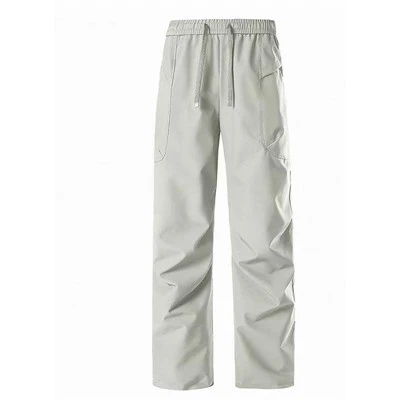
First, before you touch a detergent, a washing machine, or a stain remover, you need to assess your pants’ fabric tag. This is non-negotiable, and it’s the single biggest reason people mess up at home. Our women’s suit pants come in half a dozen core fabrics, and each needs a different approach: wool, polyester-blend, linen, crepe, stretch suiting, and even the occasional silk-blend for ultra-formal pieces. The tag will list care codes—look for “dry clean only,” “washable,” “hand wash,” or even specific temperature guidance. Even if a pair is labeled “dry clean only,” I’ve found that 80% of those are washable at home if you follow the right steps, but we’ll cover exceptions later. For example, our structured wool suit pants have a “hand wash or dry clean” tag, while our casual stretch suiting pairs are marked “machine wash cold, gentle cycle.” Ignoring that tag is how you turn a $150 pair of pants into a misshapen paper bag.
Next, pre-cleaning prep is where you avoid 90% of common disasters. This isn’t just tossing pants into a hamper—women’s suit pants have specific areas that get dirty first, and skipping a quick check means you’re rubbing grime into fibers permanently. First, empty all pockets. I can’t tell you how many times we’ve received returns where loose change, lip balm, or a crumpled receipt went through a wash cycle and left stains, tears, or even bent metal buttons. Then, fasten all closures: zip zippers all the way, button every button (including the inner waistband button, which often slips off in the wash), and snap any tabs or tags. This keeps the pants’ shape intact and prevents snagging on other laundry. Most importantly, turn the pants inside out. This is a trick I learned from a master tailor when I first started working in pants design: turning them inside out protects the outer layer’s finish, which is what gives suit pants that sharp, polished look. The outer fabric is the part that rubs against furniture, gets splashed, and fades when exposed to detergent or sunlight, so shielding it during washing is key.
Now, stain treatment—this is where most people go wrong, especially on stubborn workday stains like coffee, wine, or foundation. The golden rule here is never rub a stain; you’ll push it deeper into the fibers and spread it. Instead, blot, and always use a product formulated for the stain type, not generic laundry detergent. For example, if you get coffee or tea on your wool suit pants, mix a teaspoon of mild dish soap (the original blue kind, not scented) with a cup of cold water, and dab the stain with a white cotton cloth (colored cloths can transfer dye). For red wine, the go-to is a mix of equal parts white vinegar and cold water, or even club soda—club soda works because the carbonation helps lift protein-based stains without agitating the fabric. For foundation or deodorant stains on the waistband or thighs, a little baking soda mixed with cold water to make a paste works; rub it gently with your finger, let it sit for 10 minutes, then blot with a damp cloth. The only time you should use a commercial stain remover is if your pants are polyester-blend or stretch suiting—avoid anything with bleach or enzymes on wool or linen, as enzymes can break down wool fibers over time, and bleach will yellow white linen or light wool blends.
Now, the actual cleaning method, split into three categories based on fabric, because one size does not fit all for women’s suit pants. First, machine washable fabrics: polyester-blend, stretch suiting, crepe, and our casual everyday suit pants. For these, always use cold water—hot water is the enemy of color fastness and shape. Use a mild, color-safe laundry detergent; we recommend fragrance-free, as scented detergents have additives that can leave residue on suit pants, making them look dull over time. Never use fabric softener on suit pants, especially wool or stretch blends—fabric softener coats the fibers, making them less breathable and stripping that tailored, structured feel. Set your washing machine to the gentle or delicate cycle; if your machine has a “suit” setting, use that (it’s programmed for slower agitation). Only wash suit pants with other similar items—no heavy jeans, no hoodies with zippers, no colorful towels that can bleed. I always wash our women’s suit pants in a mesh laundry bag, which adds an extra layer of protection against snagging on the machine’s drum. If your pants have pleats, make sure they’re smoothed flat before putting them in the bag; pleated suit pants lose their sharp creases if they’re crumpled in the wash.
Second, hand wash for fabrics labeled “hand wash” or for dry-clean-only wool or silk-blend suit pants. This is actually simpler than it sounds, and it’s the method I use for my favorite personal wool suit pants. Fill a clean basin (or the sink, if it’s free of food residue or harsh cleaners) with cold water and a small amount of mild detergent—we specifically make a line of gentle detergents for our own pants, but a baby shampoo (unscented) works perfectly too for hand washing. Submerge the pants, gently swish them around, and let them soak for 10 minutes max. Don’t twist, wring, or scrub—any harsh movement will stretch wool or silk fibers. To rinse, drain the soapy water, refill the sink with cold water, and gently press the pants under the water to remove soap. Repeat until no suds come out. Again, never wring—this is the biggest mistake with hand-washed pants. Instead, roll the pants up in a clean, dry white towel and press gently to absorb excess water; the towel will wick away moisture without stretching the fabric.
Third, for linen suit pants—linen is tricky because it wrinkles easily, but it’s also durable. Linen suit pants can be machine washed on gentle with cold water, but only if the tag allows it. Avoid over-washing linen, as it can become faded over time. For linen, a little steam will go a long way, so we’ll cover that in the drying and finishing step.
Now, drying and reshaping—this is where you bring your suit pants back to that tailored, ready-to-wear look, not a crumpled mess. The worst thing you can do is hang wet suit pants on a regular hanger or toss them in the dryer. Dryers use heat that shrinks fibers, and even “air dry” settings on dryers can cause stretching over time. For all fabrics, line drying is best, but make sure you do it correctly. If you used a machine wash, after removing the pants from the mesh bag, smooth them flat on a drying rack or a clean towel on a flat surface (never hang pants to dry right out of the wash—wet fabric is heavy and will stretch at the waistband and legs). For pleated suit pants, re-pleat them while they’re still damp using a ruler or a straight edge to press the pleats back into place before they dry. This is how we get crisp, long-lasting pleats in our suit pants at our production facility. For wool suit pants, you can lay them over a padded hanger (not a wire hanger—wire hanger marks are permanent) on the drying rack, but still smooth the legs flat first. For stretch suiting, laying them flat is even more important, as hanging can stretch the waistband over time. If you’re in a hurry, you can use the dryer on the lowest air-only setting for 10 minutes, but never with heat—air only will help fluff the fibers without shrinking.
The finishing step is what separates a freshly cleaned pair of pants from a dry-cleaned pair. Once your pants are completely dry, you’ll want to touch up the tailored look, especially around the waistband, hips, and creases. For most fabrics, a cool iron is safe—always use a pressing cloth (a thin cotton towel or handkerchief) between the iron and the pants, to avoid shine or scorch marks. Wool pants respond well to steam: hold the iron an inch above the pants, let the steam hit the fabric, and smooth with your hand—this is a trick tailors use that avoids any risk of burning. For linen, you can use a slightly warmer iron, but still use a pressing cloth. For crepe or delicate silk-blend, keep the iron on low and use plenty of steam. If your pants have a tailored seam allowance or side panels, make sure you iron those flat to keep the structure.
Now, when is it okay to skip home cleaning and go to a professional? I’ve had customers ask this, and the answer is simple: if the pants have a very stubborn stain that’s set in, like a old grease mark or paint, or if they’re a very delicate fabric like pure silk that’s not labeled washable, it’s best to go to a dry cleaner that specializes in formal wear and suiting. Look for a cleaner that uses a “wet cleaning” method, which is gentler than traditional dry cleaning (which uses harsh perchloroethylene that can break down wool fibers over multiple cleanings). Also, if you wear your suit pants daily, limit dry cleaning to once every 4-6 wears—over-dry cleaning wears out the fabric and fades the color, so home cleaning is a far more cost-effective and gentle option for regular use.
At the end of the day, women’s suit pants are an investment—they’re worn to job interviews, client meetings, weddings, and every important moment in between. Taking the time to clean them properly at home not only saves you money, but it also extends their lifespan, so you can wear them for years instead of a few months. This method is one we’ve tested on every style in our Women’s Pants and Suits line, from high-waisted straight-leg to wide-leg and tailored slim-fit, so you can trust that it works for the specific needs of women’s suit pants. If you’re a retailer, boutique owner, or bulk buyer looking for high-quality, easy-to-care-for women’s suit pants for your customers, we’d love to talk. We specialize in durable, style-forward pants designed for both the office and everyday wear, with care guidelines built right into every pair. Don’t hesitate to reach out to discuss your needs and place a custom or bulk order.
Men’s Wear References
- Textile Care Laboratory, American Cleaning Institute. (2022). "Best Practices for Home Laundering of Woven Suiting Fabrics."
- Tailoring & Apparel Repair Association. (2021). "Gentle Cleaning Methods for Structured Garments: A Guide for At-Home Care."
- Woolmark Company. (2020). "Hand Washing and Drying Guidelines for Wool Suiting Garments."
- International Fabric Care Institute. (2022). "Stain Removal Protocols for Workwear and Formal Suiting Fabrics."
Tengzhou Jufulong Garment Co., Ltd.
We are one of the most professional women’s pants and suits manufacturers and suppliers in China, also support customized service. With abundant experience, we warmly welcome you to wholesale high quality women’s pants and suits made in China here from our factory. Contact us for free sample.
Address: Zongzhuang Village, Jisuo Town, Tengzhou City, Zaozhuang City, Shandong Province (West of Jisuo Middle School)
E-mail: 17606320177@163.com
WebSite: https://www.jufulongwear.com/
