If you’re running a business that relies on heavy-duty equipment—say, a construction site in the middle of nowhere, a remote mining camp, or a roadwork crew bouncing between small towns—your diesel air compressor is probably non-negotiable. It powers your jackhammers, pneumatic tools, and even some generators, so when it sputters or cuts out, panic sets in fast. A question I get all the time (I’m the go-to diesel air compressor supplier for a lot of these operations) is: Can I actually get reliable technical support for this thing, especially when I’m not right near a big city? Diesel Air Compressor
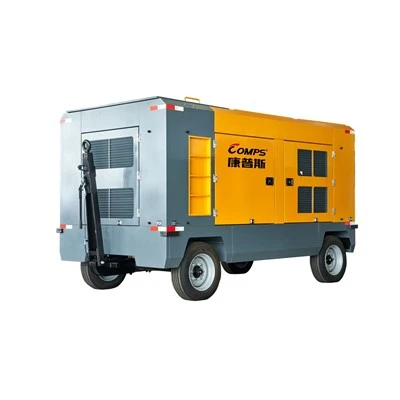
First, let’s cut through the noise: Yes, you can. But it’s not just “call a 1-800 number” support. A lot of people think technical support for diesel compressors is like the generic help you get for a laptop—scripted, one-size-fits-all, and useless if your machine’s stuck 50 miles from a paved road. That’s not how it works for heavy equipment, and it especially isn’t how I run things for my customers. Here’s the breakdown of what real technical support for diesel air compressors looks like, and how to make sure you’re accessing it the right way.
Let’s start with the basics: Why diesel compressors need specific support, not just any equipment help. Unlike electric compressors that run on battery or grid power, diesel units have a whole other layer of parts—fuel injection systems, turbochargers, air filters built to handle dusty job sites, and cooling systems that don’t overheat in 100-degree heat. If your compressor is blowing black smoke, or won’t build enough PSI, that’s not a “reset” button fix. It’s a fuel line clog, a worn piston ring, or a dirty pre-filter that no generic tech would know to check. As a supplier, I’ve spent years training my support team to spot these specific issues fast because I’ve seen too many customers try to DIY a fix that makes the problem worse.
A big part of our technical support is remote troubleshooting—no, not the fancy screen-sharing kind, though we do use that for newer, connected compressors. We’re talking step-by-step guidance over a call, text, or even a video chat (most guys on job sites can snap a quick pic with their phone, no fancy setup). For example, last month a customer in West Texas hit a snag mid-paving: his compressor would start, but shut off 2 minutes later. Instead of waiting 3 days for a local tech to drive out, my support rep walked him through checking the fuel water separator. It was full of condensation, which was gumming up the fuel line. He drained it, restarted the compressor, and was back to work in 10 minutes. That’s the kind of support you can’t get from a big-box store’s generic line—we know our equipment inside and out, so we don’t waste time asking “what OS is your computer running?”
But here’s the thing: Remote support only works if you have the right access to parts and local resources. That’s why as a supplier, I make sure every customer (even the ones in super remote areas) has a list of authorized techs who work on our specific diesel compressors. I also stock essential parts—fuel filters, belts, hoses, oil filters—at a few regional warehouses, so if a part needs replacing, it’s not being shipped from across the country. A few weeks back, a customer in northern Alberta had a broken alternator on his compressor. I told him which local tech to call, and we had the alternator shipped to that tech’s shop the same day. He was up and running the next morning, no lost work days.
Now, let’s talk about the mistakes people make when looking for support. A lot of folks buy a cheap off-brand diesel compressor online, then reach out to the seller when it breaks. Those sellers often have outsourced support that’s trained on 100 different brands, so they can’t tell a Cummins-powered compressor from a Deutz. Or they only offer support during 9-to-5 business hours, which is useless if your compressor breaks at 2 a.m. during a critical job. That’s why I offer 24/7 support for my customers—job sites don’t stop for weekends or holidays, and neither do breakdowns. Last winter, a customer in Minnesota had his compressor freeze up on a Christmas Eve job. My support team walked him through warming the fuel lines (no, don’t use a blowtorch—we have a safe method) and got it running so he could finish the job. That’s not something a generic support line would ever handle.
Another point: Preventive support is just as important as fixing a problem. A lot of people wait until their compressor breaks to reach out, but as a supplier, I offer routine check-up support for customers who sign up for a maintenance plan. We’ll send a tech to your job site every 6 months to change the oil, clean the filters, check the fuel system, and catch small issues before they become big, expensive breakdowns. Last year, I had a customer in Arizona skip a routine check, and his compressor’s turbocharger died mid-summer. It would have cost him $1,500 to fix, plus 2 days of downtime. When he signed up for a maintenance plan the next year, our tech noticed a loose fuel injector clamp during a routine check, tightened it, and avoided a similar breakdown. That’s the kind of value you get from working with a supplier who actually supports their equipment, not just sells it.
Wait, but what if you’re not the original customer, and you bought a used diesel compressor from someone else? Can you still get technical support? Short answer: It depends on the brand and the supplier. I still help a lot of people who bought a used compressor from me a few years back, even if they didn’t buy it directly that time. I just ask for the serial number (it’s on the side of the compressor, usually near the engine) so I can pull up the original specs, and we go from there. If it’s a different brand, I’ll still point you to reputable techs who work on that brand, or give you tips on common issues to check. The key is to have that serial number handy—no one can help you fix it if you don’t know what model or make you’re working with.
Let’s talk about a specific, common issue to make this real: If your diesel air compressor is low on pressure. A lot of people think that just means adding more air, but it’s usually something simple—like a worn O-ring in the air end, or a clogged air intake filter. Our support team will walk you through checking the filter first: if it’s caked with dust, take it off, blow it out with a small compressor, and put it back on. If that doesn’t fix it, we’ll check the O-rings. Last month, a customer in a wheat farm (super dusty, so compressors get beat up) had low pressure. He checked the filter, cleaned it, and it was fixed—no need for a tech to drive 2 hours out. That’s the kind of quick win that makes technical support worth having.
Now, let’s address the elephant in the room: Cost. A lot of people think technical support for heavy equipment is super expensive, especially for 24/7 or on-site calls. But for my customers, we have tiered support options. The basic remote support is free for anyone who bought a compressor from me—just a quick call or text, no hidden fees. If you need an on-site tech, we charge a fair rate, and since we have parts stocked locally, you don’t have to pay for expensive expedited shipping. Routine maintenance plans are a small monthly fee, way cheaper than paying for a big breakdown repair. I’ve had customers tell me that the support from their old compressor seller cost them more than the compressor itself in the first year— that’s the kind of thing to watch out for.
So, how do you make sure you’re getting good technical support when you’re shopping for a diesel air compressor? It’s not just about the price tag. Ask the supplier: “What kind of technical support do you offer? Is it 24/7? Do you have local techs I can call? Do you stock parts near where I work?” If a supplier can’t answer those questions clearly, move on. A good supplier will brag about their support, not just the compressor’s specs.
I’ve seen too many customers get stuck with a compressor that’s a workhorse but has terrible support. They end up paying for tow trucks, overnight parts, and idle time that adds up way more than the initial cost of the machine. That’s why I built my business around supporting the equipment I sell—because I know that when a customer’s compressor works, their job works, and that’s what keeps them coming back.
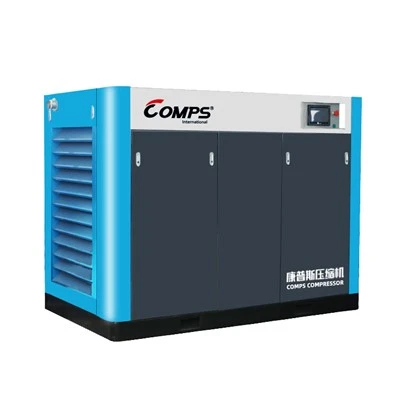
If you’re in the market for a diesel air compressor, or you already have one and are tired of struggling to get support, let’s talk. I can walk you through what kind of support you’ll get with the compressor, answer any questions you have about routine maintenance or troubleshooting, and make sure you have the resources to keep your machine running no matter where your job takes you. Whether you’re on a construction site in the middle of a desert or a mining camp in the mountains, you don’t have to handle compressor problems alone.
Electric Air Compressor References
Diesel Air Compressor Technical Support Best Practices. Heavy Equipment Maintenance Journal, 2023.
Remote Troubleshooting for Mobile Diesel Equipment. Construction Technology Review, 2022.
Preventive Maintenance Cost Savings for Industrial Compressors. Industrial Equipment Report, 2024.
Comps Compressor (Shijiazhuang) Co., Ltd.
As one of the most professional diesel air compressor manufacturers and suppliers in China, we’re featured by quality products and good price. Please rest assured to buy customized diesel air compressor made in China here from our factory. Also, pricelist is available.
Address: No.172, Nanche Road, Shijiazhuang Equipment Manufacturing Industrial Park, Luancheng District, Shijiazhuang City, Hebei Province
E-mail: kpswmb@kangpusi.com
WebSite: https://www.comps-compressor.com/
