Hey there! As a supplier of PTFE tubes, I often get asked if these tubes can be used in chemical industry pipelines. Well, let me tell you, the answer is a resounding yes! And in this blog, I’m gonna dive deep into why PTFE tubes are a great choice for the chemical industry. PTFE Tube
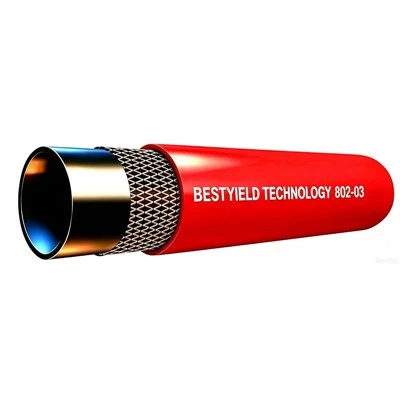
First off, what’s PTFE anyway? PTFE stands for Polytetrafluoroethylene. It’s a synthetic fluoropolymer of tetrafluoroethylene. In simpler terms, it’s a super – tough and chemically resistant material. You might know it by its most common brand name, Teflon.
One of the biggest reasons PTFE tubes are perfect for chemical pipelines is their outstanding chemical resistance. Chemicals in the industry can be really harsh. We’re talking about acids, bases, solvents, and all sorts of corrosive substances. PTFE is like a shield against these chemicals. It doesn’t react with most of the common acids, even the strong ones like sulfuric acid and hydrochloric acid. For example, in a laboratory where they’re doing experiments with concentrated acids, using PTFE tubes ensures that the tubes won’t break down or contaminate the chemicals flowing through them.
In a chemical manufacturing plant, different chemicals are often transported through pipelines. Some of these chemicals can be extremely reactive. If you use regular tubes made of materials like rubber or some plastics, they’ll start to corrode pretty quickly. But PTFE tubes can handle these reactive chemicals without a problem. They maintain their integrity, which means less chance of leaks and less maintenance work.
Another great feature of PTFE tubes is their high – temperature resistance. In the chemical industry, many processes involve high temperatures. For instance, in the production of certain polymers, the reaction might take place at temperatures well above 100 degrees Celsius. PTFE tubes can withstand temperatures ranging from – 200°C to + 260°C. This wide temperature range makes them suitable for a variety of chemical processes, whether it’s a cold – storage area where some chemicals need to be kept at low temperatures or a high – heat reaction chamber.
PTFE tubes also have a very low coefficient of friction. This is a fancy way of saying that they’re really slippery on the inside. When chemicals flow through the tubes, they don’t get stuck to the walls as much as they would in other types of tubes. This results in smoother flow of the chemicals. In a large – scale chemical pipeline system, where efficient flow is crucial, the low friction of PTFE tubes can save a lot of energy. You don’t need as much pumping power to move the chemicals through the pipes, which in turn reduces operational costs.
But it’s not all sunshine and rainbows. There are a few things to consider when using PTFE tubes in chemical pipelines. One potential drawback is that PTFE is a bit more expensive compared to some other materials. But let’s think about it in the long – run. Since PTFE tubes last longer due to their resistance to chemical corrosion and high temperatures, you’ll end up saving money on replacement and maintenance costs.
Another thing is that PTFE tubes can be a bit flexible. While this flexibility can be an advantage in some situations, like when you need to bend the tubes around obstacles in a pipeline layout, it can also be a problem if the tubes need to be kept in a very rigid position. In such cases, proper support and installation techniques need to be used to ensure that the tubes perform as expected.
Let’s talk about some real – world applications. In the pharmaceutical industry, which is a part of the broader chemical industry, PTFE tubes are widely used. Pharmaceuticals are often produced using a variety of chemicals, and the purity of the final product is crucial. PTFE tubes don’t leach any substances into the chemicals they’re transporting, which helps maintain the purity of the drugs. So, in a pharmaceutical manufacturing plant, you’ll see PTFE tubes being used in the piping systems for transporting chemicals during the production process.
In the petrochemical industry, PTFE tubes are also a popular choice. Refineries deal with all kinds of hydrocarbons, as well as sulfur – containing compounds. These substances can be very corrosive. PTFE tubes can handle these harsh chemicals without degrading, making them reliable for long – term use in the pipeline systems of oil refineries.
Now, if you’re in the chemical industry and you’re looking for a reliable solution for your pipeline needs, I’d highly recommend considering PTFE tubes. As a supplier, I’ve seen firsthand how these tubes can improve the efficiency and reliability of chemical pipeline systems. Whether you’re running a small laboratory or a large – scale chemical manufacturing plant, PTFE tubes can be a game – changer.
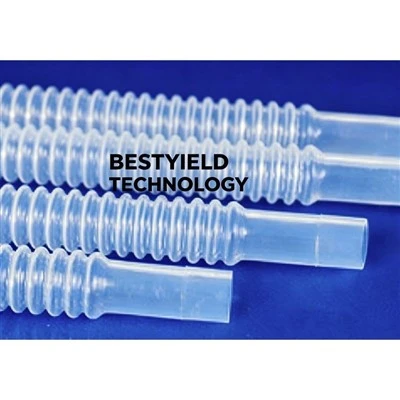
If you’re interested in learning more about how PTFE tubes can fit into your chemical pipeline setup or if you want to discuss purchasing options, don’t hesitate to reach out. I’m here to help you find the right PTFE tube solution for your specific needs. We can talk about sizes, wall thicknesses, and any other requirements you might have. Let’s work together to make your chemical pipeline system more efficient and reliable!
NBR Hose References
- "Handbook of Plastics, Elastomers, and Composites" by Charles A. Harper
- "The Chemistry of PTFE and Related Fluoropolymers" by John Scheirs
BESTYIELD Technology (Huizhou) Co., Ltd.
BESTYIELD Technology (Huizhou) Co., Ltd. is one of the most professional ptfe tube manufacturers and suppliers in China, featured by quality products and good price. Please rest assured to buy durable ptfe tube made in China here and get quotation from our factory. Customized orders are welcome.
Address: Yinshan Industrial Zone, Liangjing Town, Huiyang District, Huizhou City, Guangdong Province
E-mail: rick@bestyield.net
WebSite: https://www.bestyield.org/
